Analytics · BDA · Bali rental yields
Real Bali property yields: the facts, not developer marketing
If you want to understand how the Bali property market actually works right now — with no marketing promises — this breakdown is for you. We'll look at the actual yield of specific complexes according to management-company reports, show how far it diverges from what was claimed at the point of sale, and unpack which segments really deliver strong results today.
The key question
Where on Bali it still makes sense to buy in, and where it's already overpriced
Short answer: it's not about the district in itself, but about the combination of segment, property characteristics and entry price. Right now the consistent performers are view and wellness villas in Ubud and villas in the proven rental locations of the south — Bingin: there, 12–14% in hand is confirmed by management-company reports. Overpriced are the over-hyped apartments in premium Canggu spots, where the rent comes out average for the area but the entry price is inflated for the address and the marketing.
Overpriced — steer clear
- Over-hyped apartments in premium spots of Canggu and Berawa (near the beach clubs): the rent is average for the area, but the entry price is inflated for the address and the marketing.Sunny Aparts II — 5.8% · Alex Complex 5 — 8.3%
- Short leasehold at a premium price: part of the "yield" is merely a return of your invested capital, not profit.
Where it makes sense to buy in
- View and wellness villas in Ubud: the view and the concept command a premium on rent and steady demand.Green Flow — 13.9% · Magnitude — 13.6% · Happiness — 11.8%
- Proven rental locations of the south — Bingin: a working format with steady demand, not showcase luxury.Young Villas — 12.1–12.0%
- Properties with a reasonable entry price, even from a less-hyped developer.Alex Complex 3 — 12.5% on the same income as Complex 5
But even within the "right" segment, the entry price decides everything: the very same cash flow, when you overpay, turns 17% into 11% (see House of Wings below). "Where" is always segment × property characteristics × entry price, not a dot on the map.
Negative cases · overpaying
Loud advertising doesn't equal high yield
The most heavily advertised complexes are showing weak yields today — not because they rent poorly, but because the purchase price was inflated relative to what the property actually earns. On rent they come out at the average figures for their area — you can't beat the market — but marketing pushed up the sale price. Let's break down three properties in Canggu and Pererenan.
Berawa, Canggu · 1BR apartment · 30-year leasehold
Sunny Aparts II
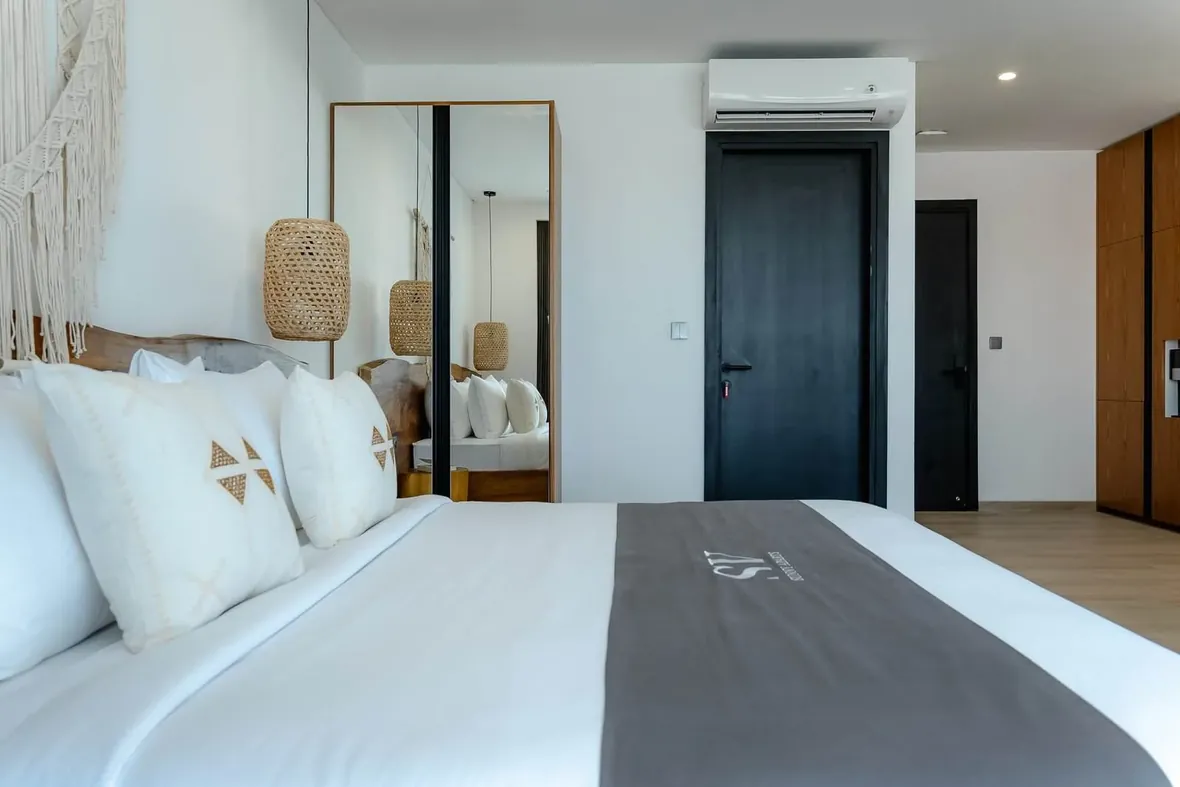
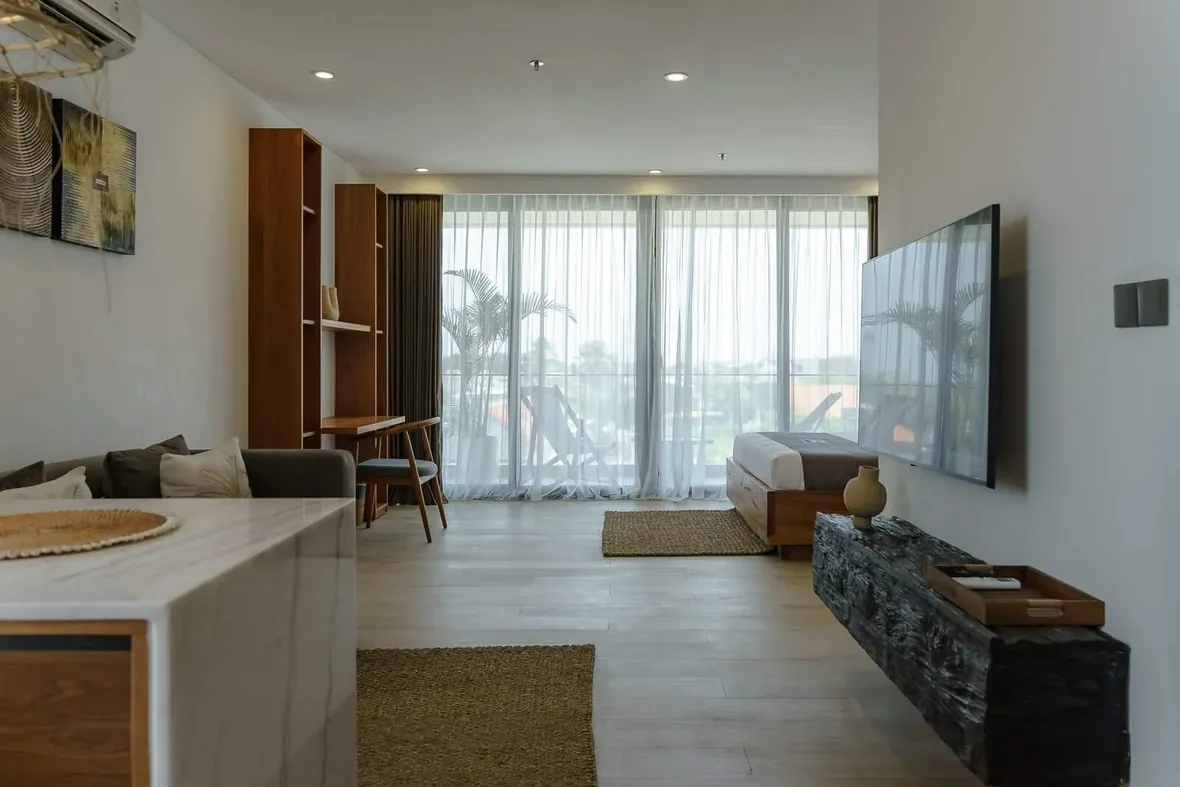
The developer publishes its own calculation: a net yield of 10.39% under the "conservative" scenario and 15.12% under the "realistic" one, and in another block — "up to 18% a year." In fact, per the management-company report, a one-bedroom apartment returns $10,500 a year at a price of $180,000 — that's 5.8% in hand. The claimed yield turned out to be almost three times the real one.
 Sunny Aparts II
 Sunny Aparts II
The reason for the gap is that in the marketing calculation operating costs are set at 30% of income, whereas in reality (tax, operators, vacancy, management) they're closer to 55%. It's exactly this "optimization" in the presentation that turns the actual 5.8% into the promised 15–18%.
By Finns Beach Club, Canggu · 80 m² apartment · leasehold to 2048
Alex Complex 5
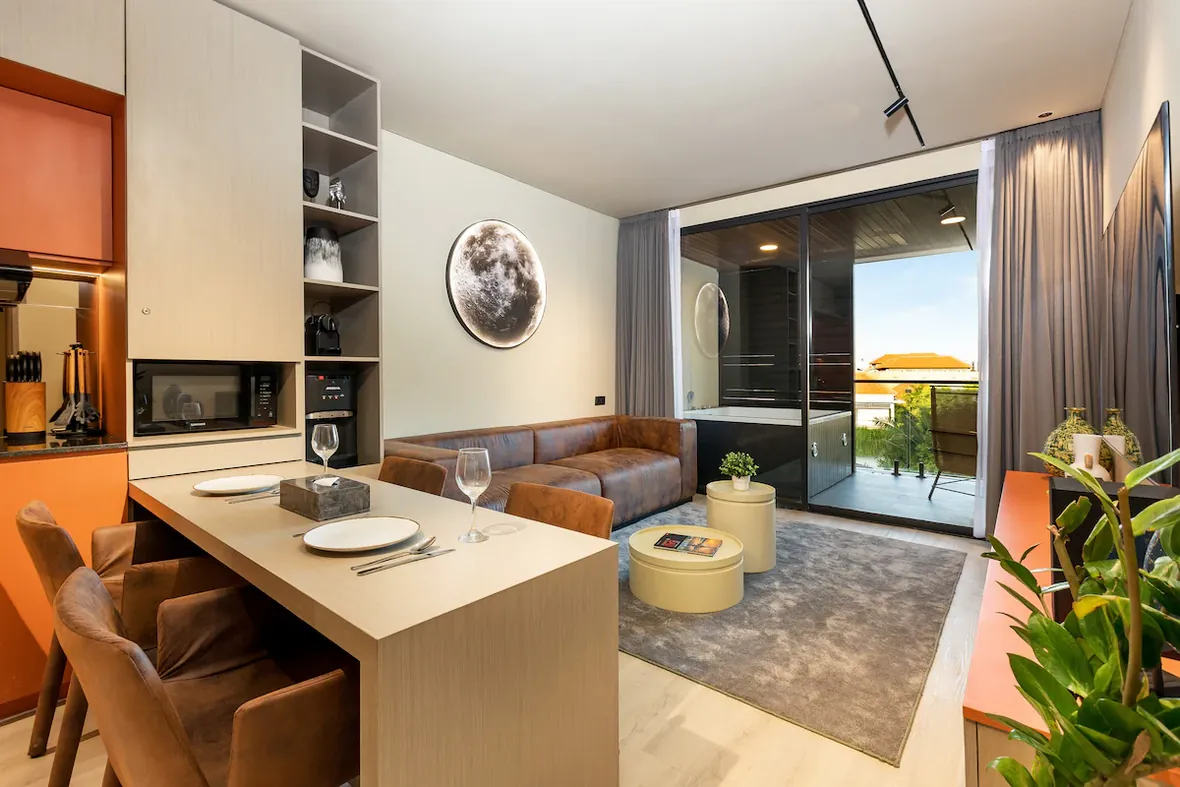
A one-bedroom apartment of 80 m², priced at around $180,000, net income $15,000 a year — 8.3%. Occupancy is 78% and the complex is sold out. The income is normal for this area, but the entry price is high because of the hyped location by the beach club: here you overpay for the address, and the overpayment eats into the yield.
 Apartment interior
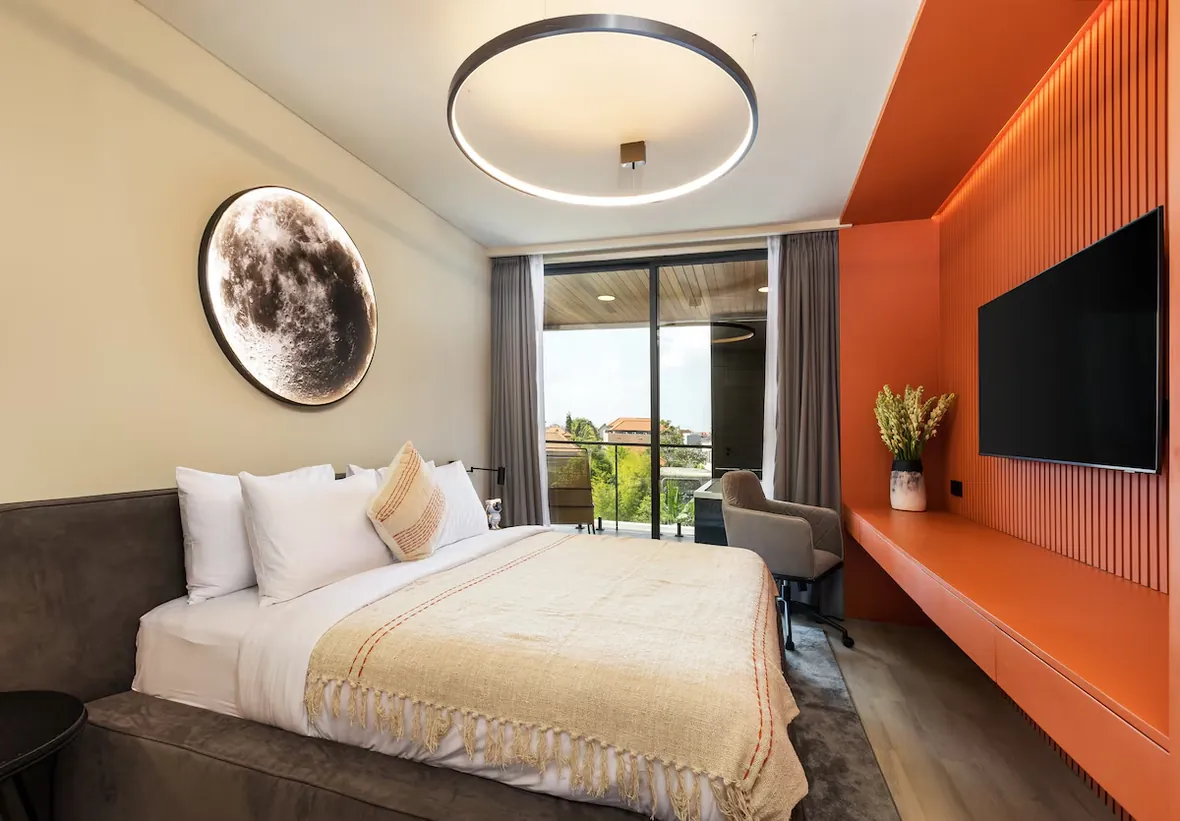 Apartment interior
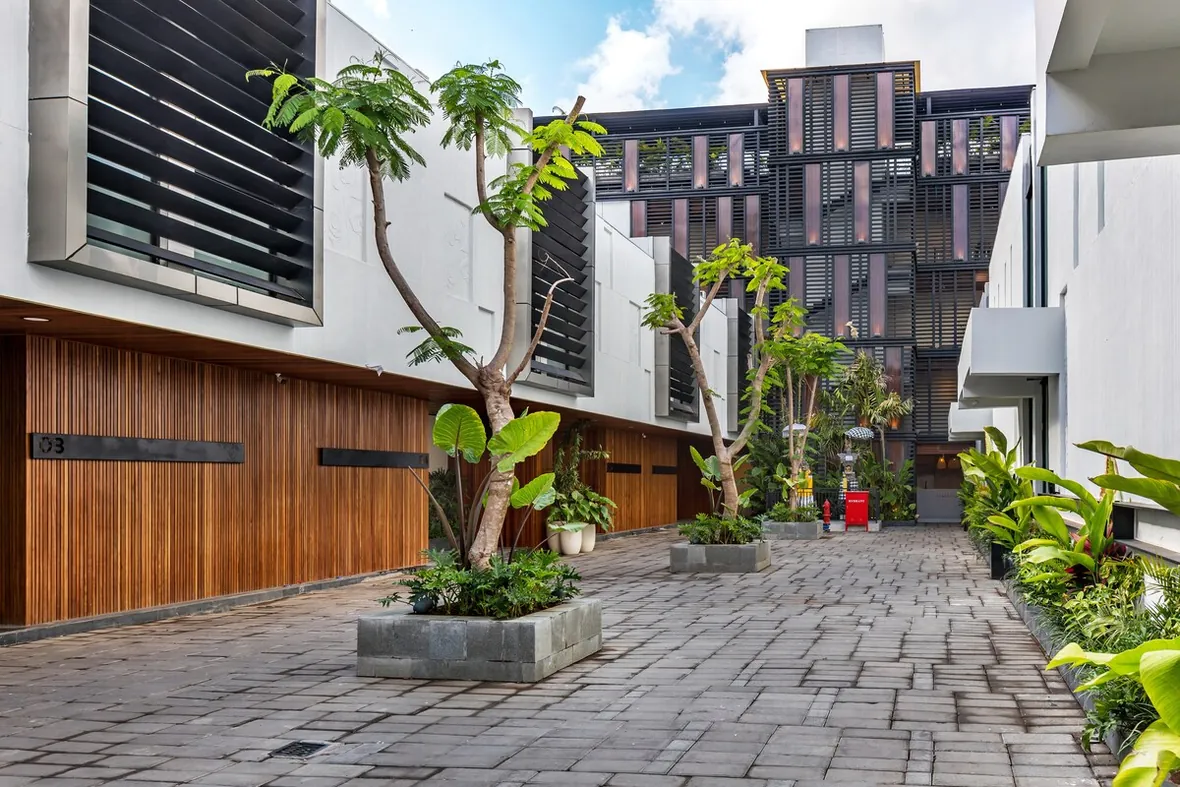 Common area
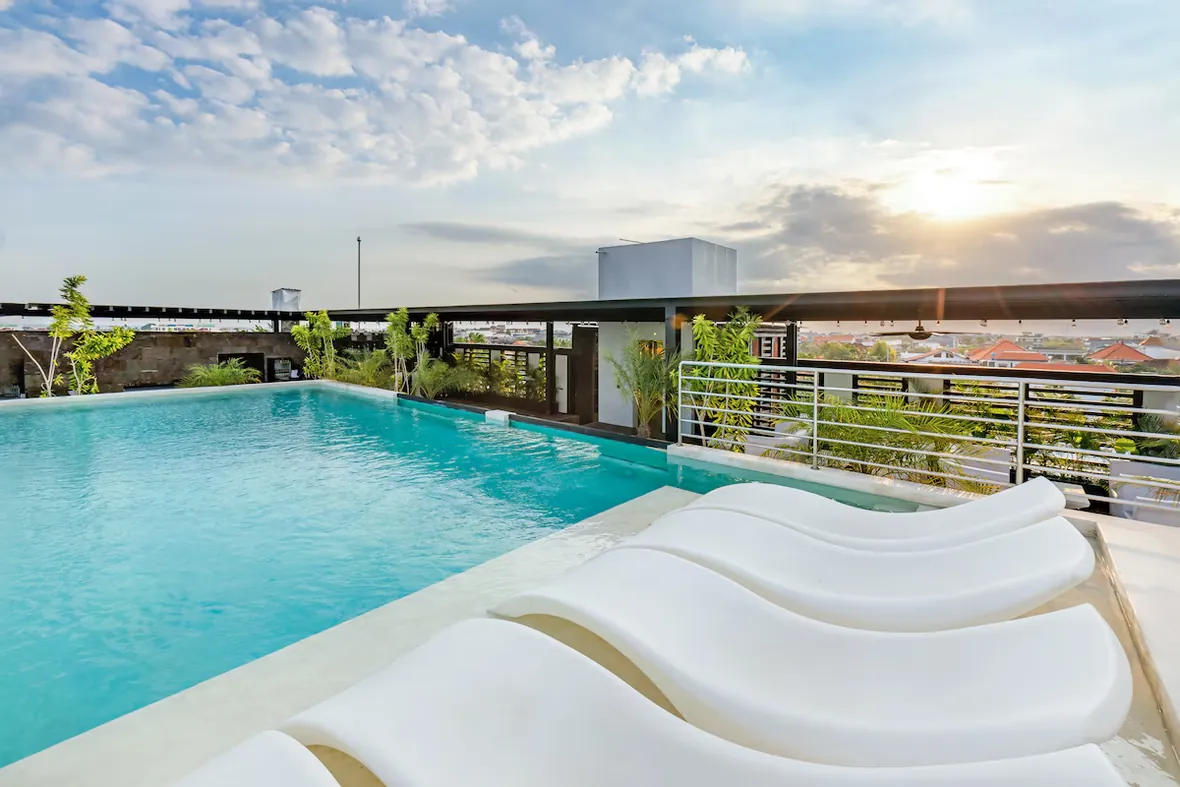 Pool area
Pererenan · 1BR apartment · sold earlier and cheaper
Alex Complex 3 — same income, lower entry price
Same developer as Complex 5 (Alex Villas Group), and the same income — $15,000 a year. But Complex 3 in Pererenan sold earlier and by a less-hyped developer, so the entry price stayed lower — $120,000. And here the yield genuinely materializes: 12.5% versus 8.3% at the neighboring complex. Both rent at the area's average — the difference was made by the entry price, not the property itself.
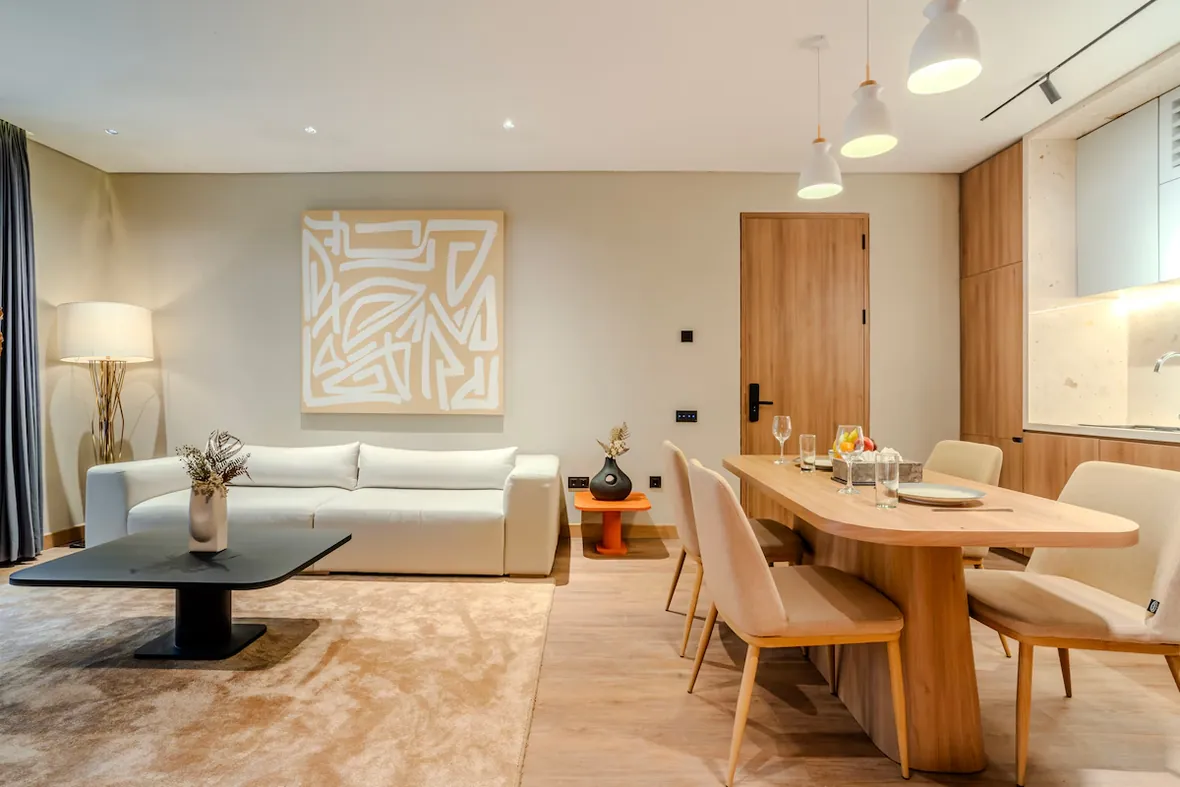 Apartment interior
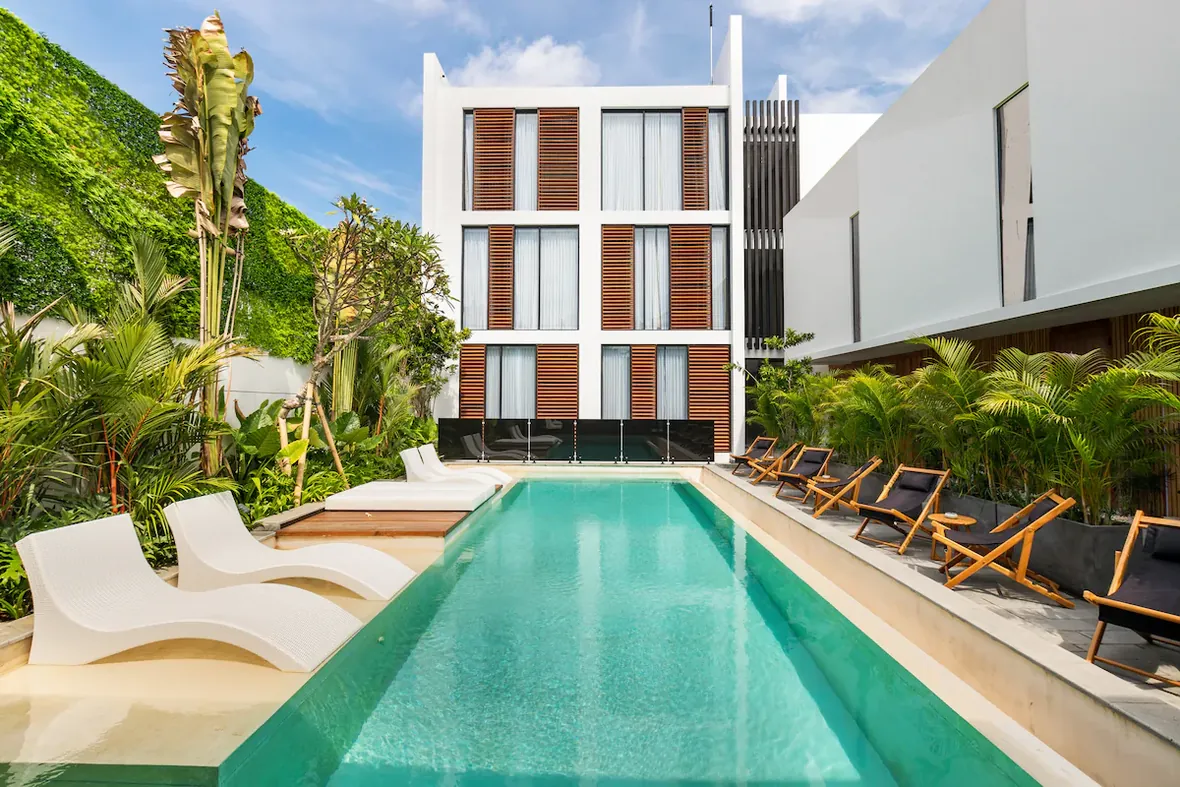 Pool area
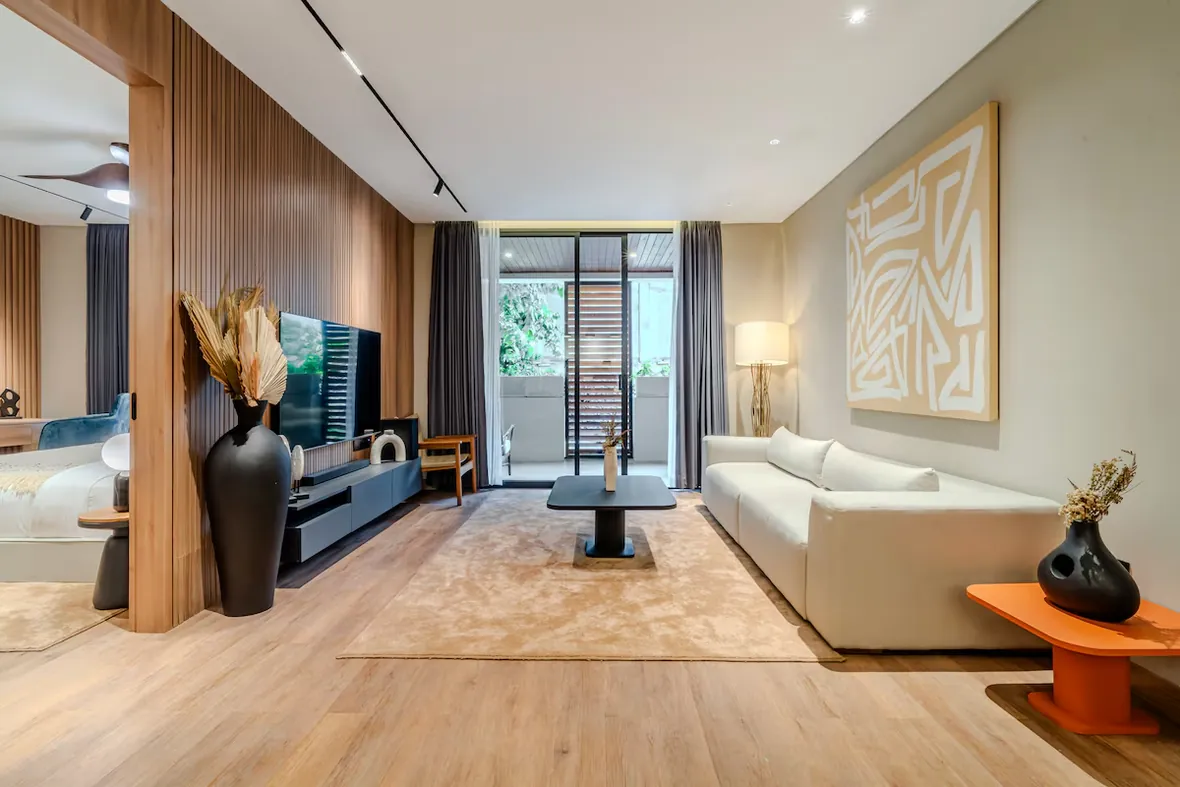 Apartment interior
Yield isn't killed by poor rent, but by overpaying for marketing and an address. The very same cash flow gives 8.3% or 12.5% — the entry price decides everything.
The "ad → fact" gap
What the owner of the most heavily advertised apartments actually gets
Positive cases · where the yield is real
Where the yield really is high
A high yield — 12–14% net — comes from properties with a real advantage: villas in proven rental locations (Ubud, Bingin) or with special characteristics — view and experience villas that a guest pays a premium for.
Ubud · view villas
Green Flow
A complex in Ubud with views over the rice fields and jungle. It's precisely the view and the calm wellness location that sustain a high rental rate and steady year-round demand — so the 1BR ($180k → $25k/year) returns 13.9% and the 2BR ($250k → $30k/year) returns 12.0%. Here the yield is a consequence of the view and the format, not the developer's name.
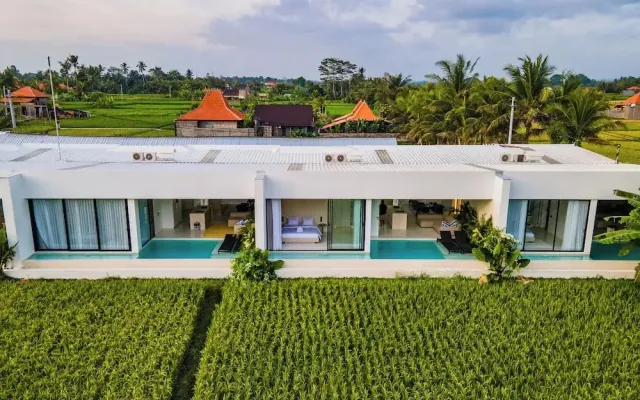 Green Flow · rice-field view
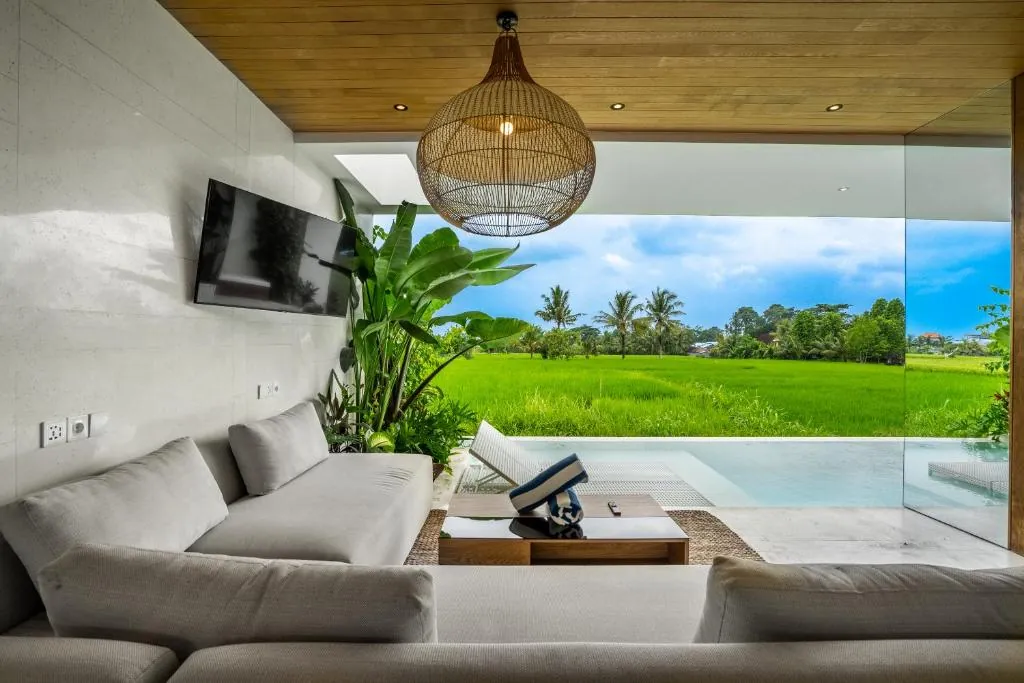 Living room with a rice-field view
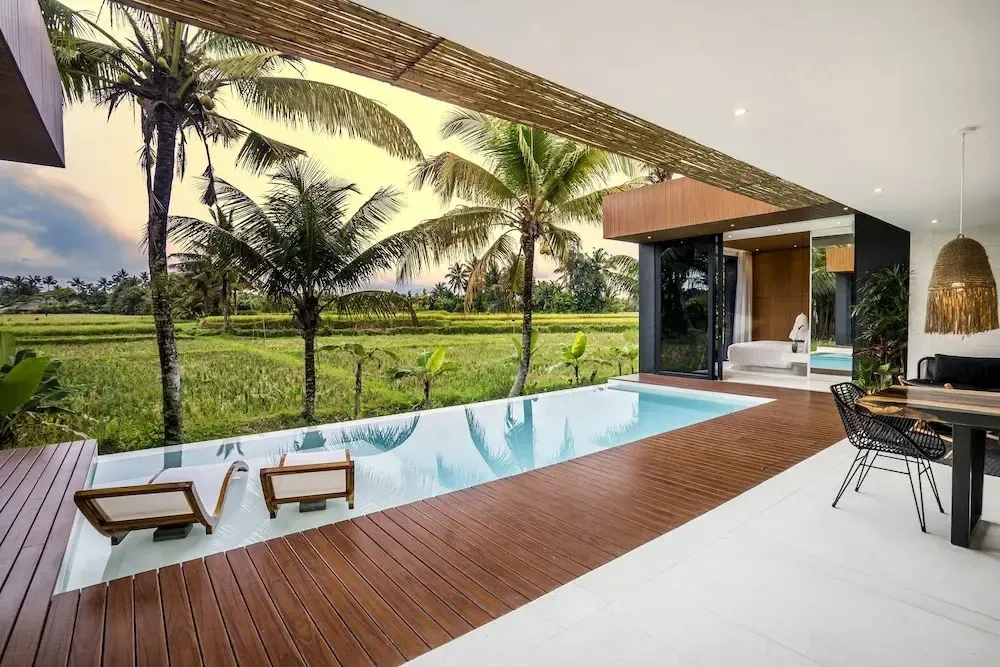 Pool with a rice-field view
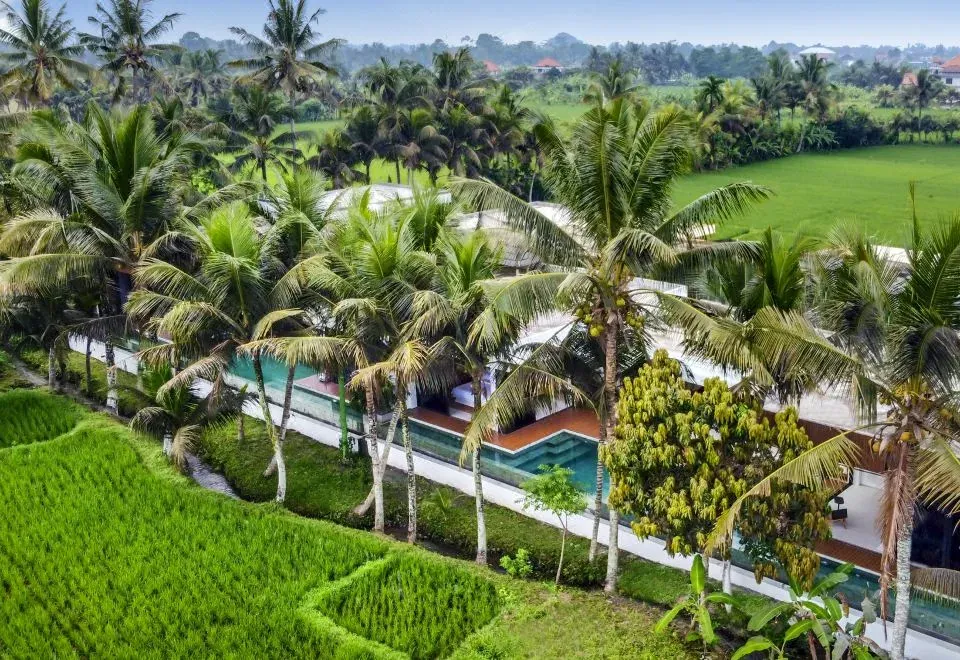 View of the development
Ubud · view "Instagram" villas
Magnitude
View villas with a strong visual concept — the kind today's guest chooses for the experience, not just a place to sleep. A strong "picture" and panorama command a premium on the rental rate: 2BR ($330k → $45k/year) — 13.6%, 1BR ($250k → $30k/year) — 12.0%. Here it's the concept and the architecture that drive the yield.
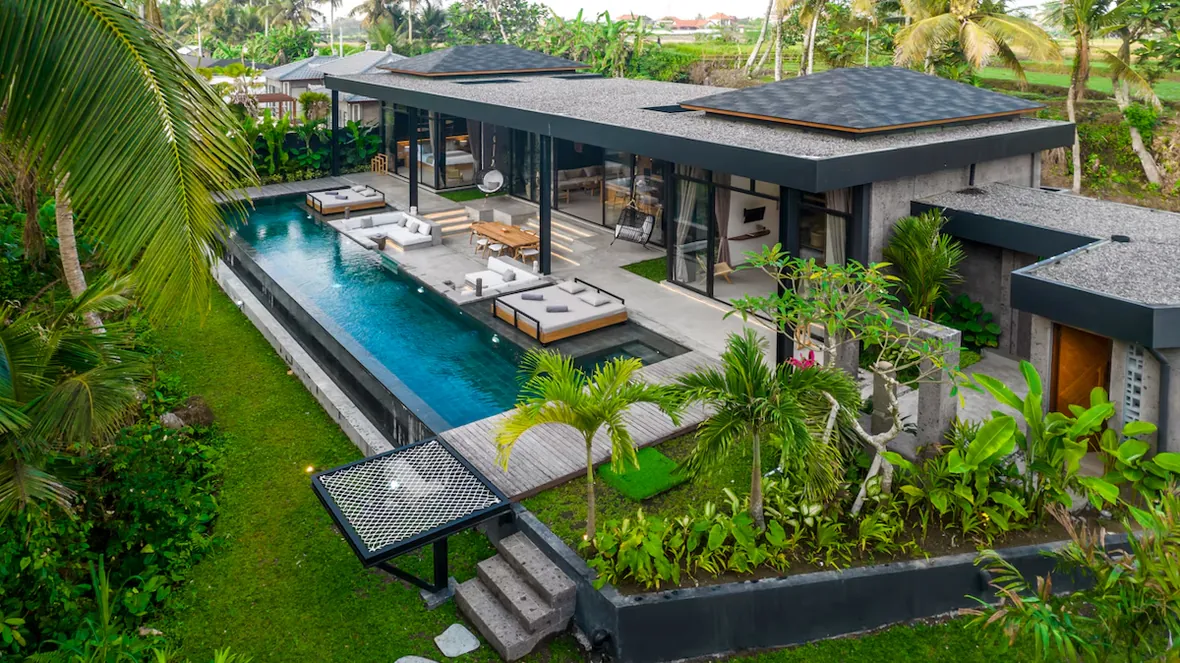 View of the development
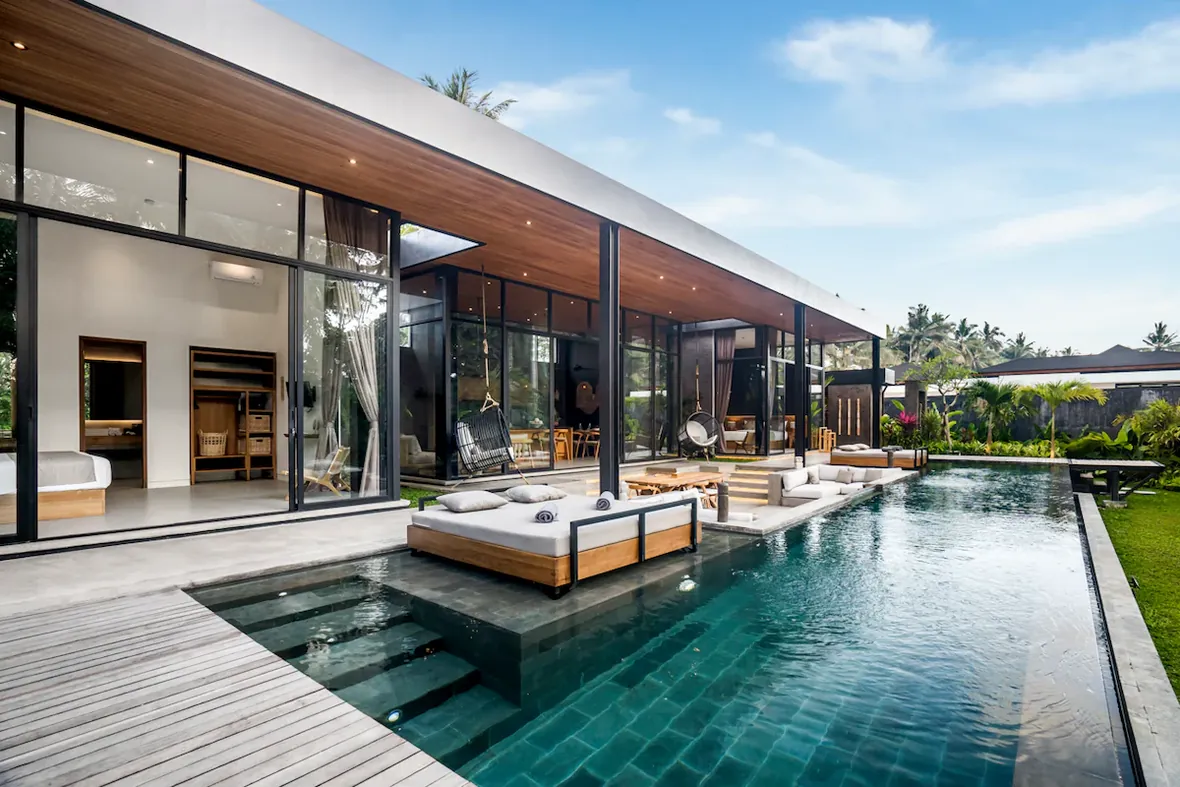 Pool view
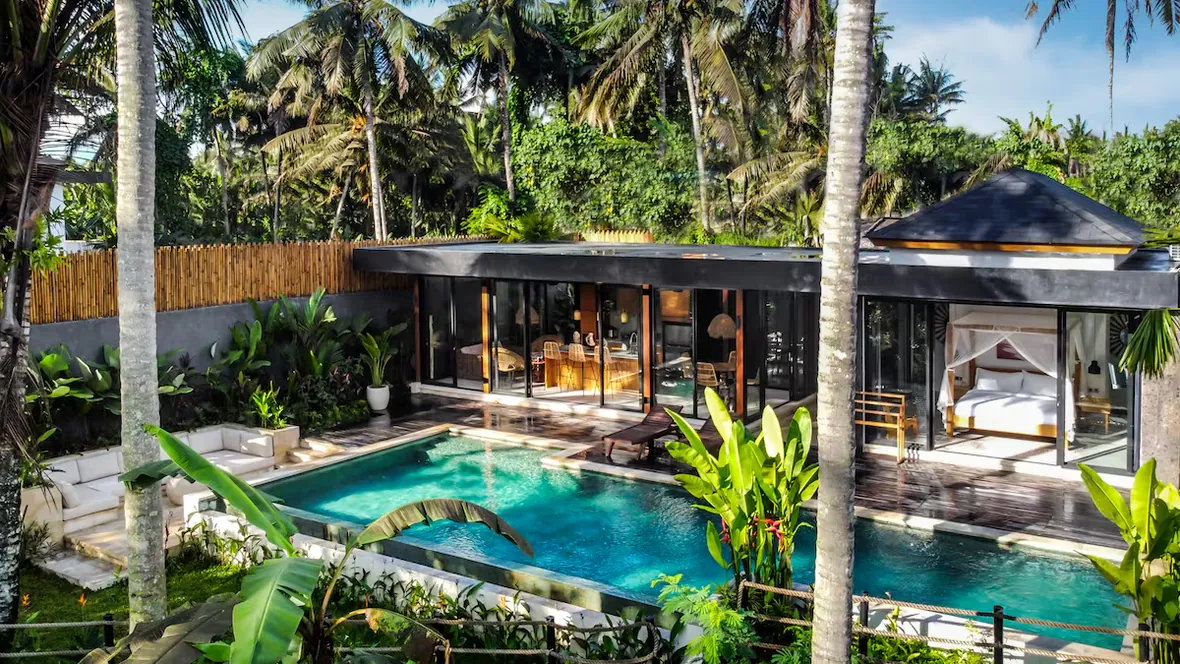 View of the development
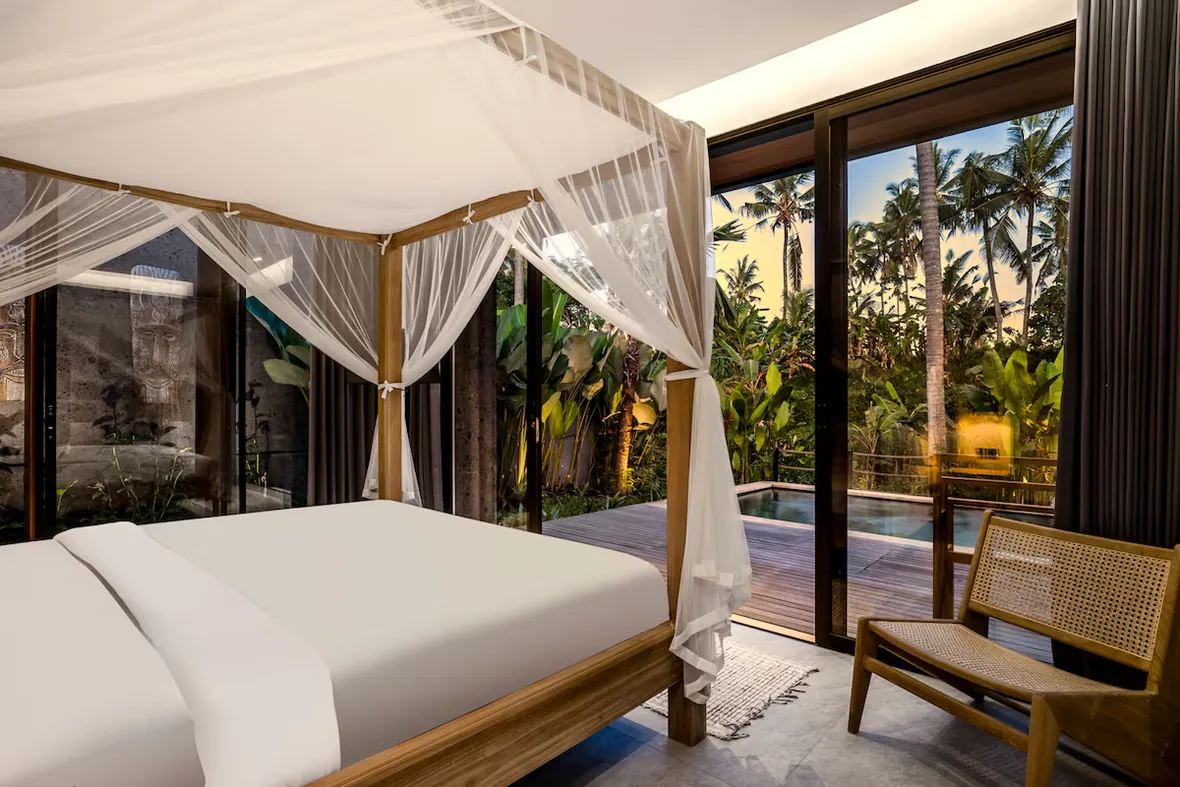 Bedroom with a view
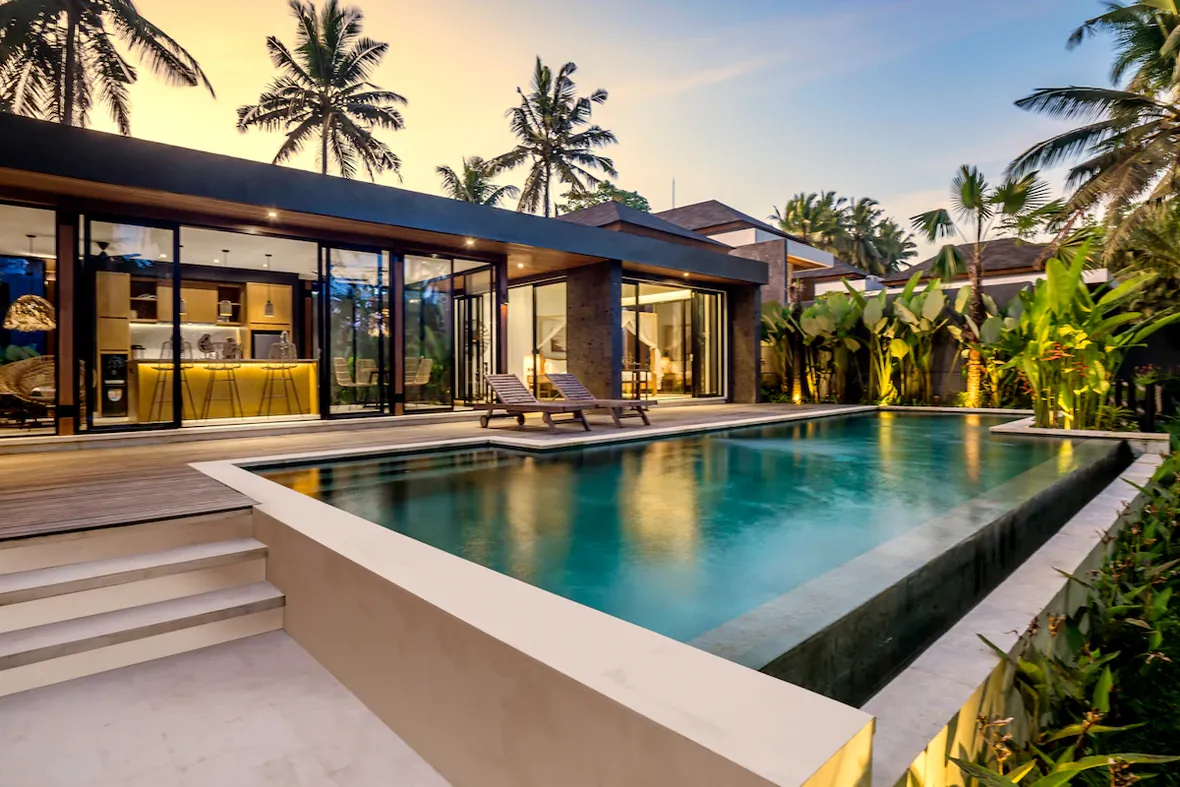 Panoramic glazing
Bingin · by the Bukit surf coast
Young Villas
Bingin is a proven rental location in the south by the Bukit surf coast, with steady demand. This is a working format, not a showcase ultra-luxury property with low occupancy: 2BR ($380k → $46k/year) — 12.1%, 3BR ($500k → $60k/year) — 12.0%. The result rests on a location with steady year-round demand.
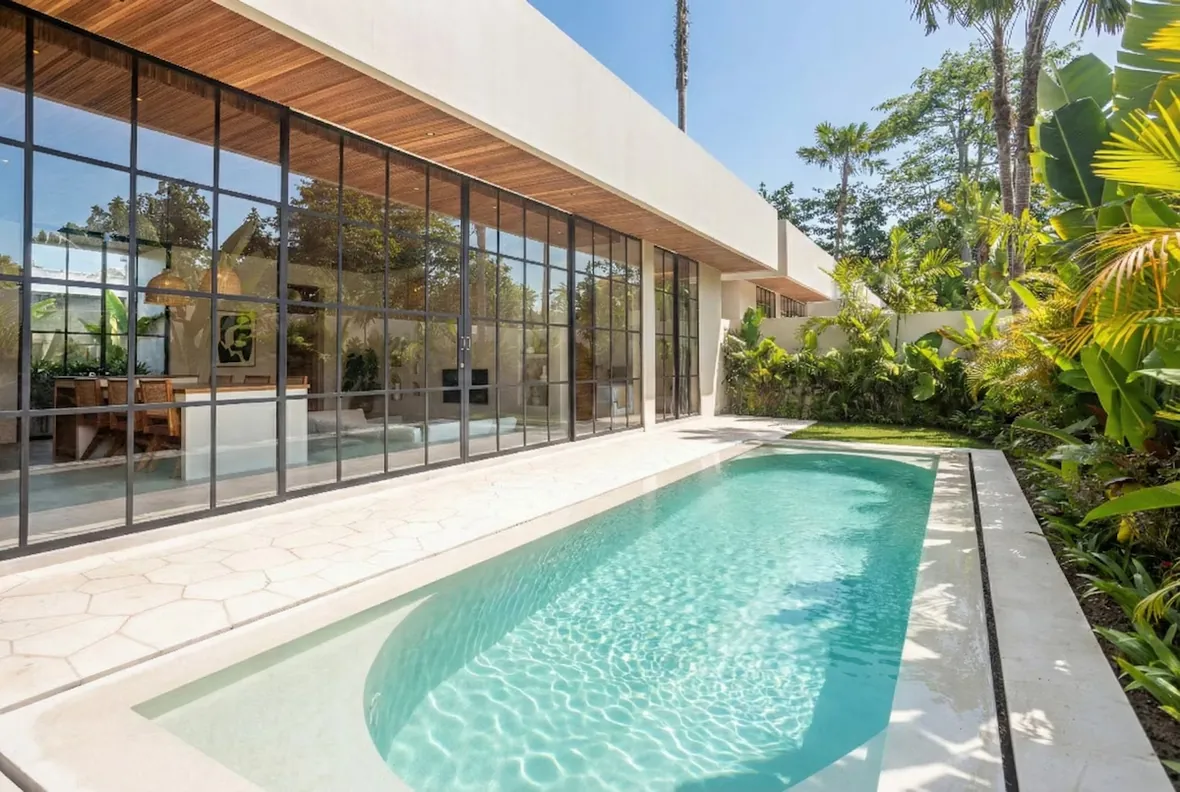 Young Villas · pool
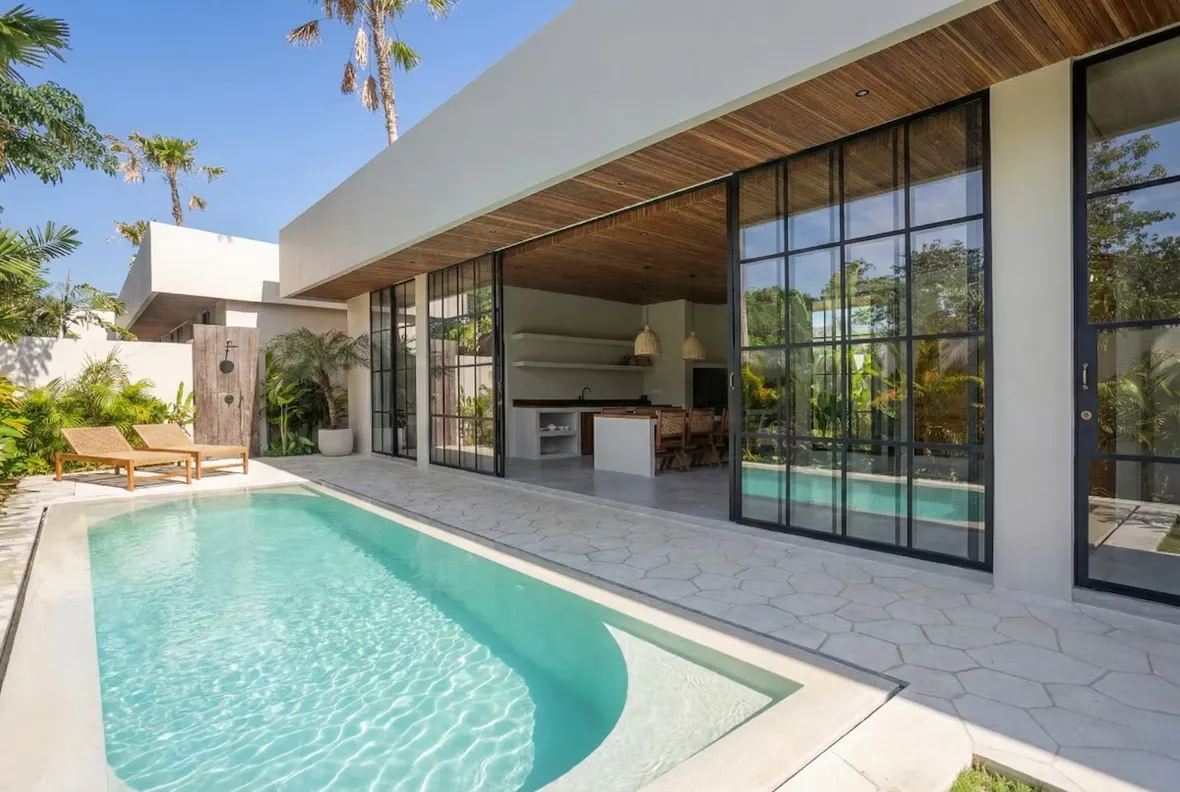 Modern architecture
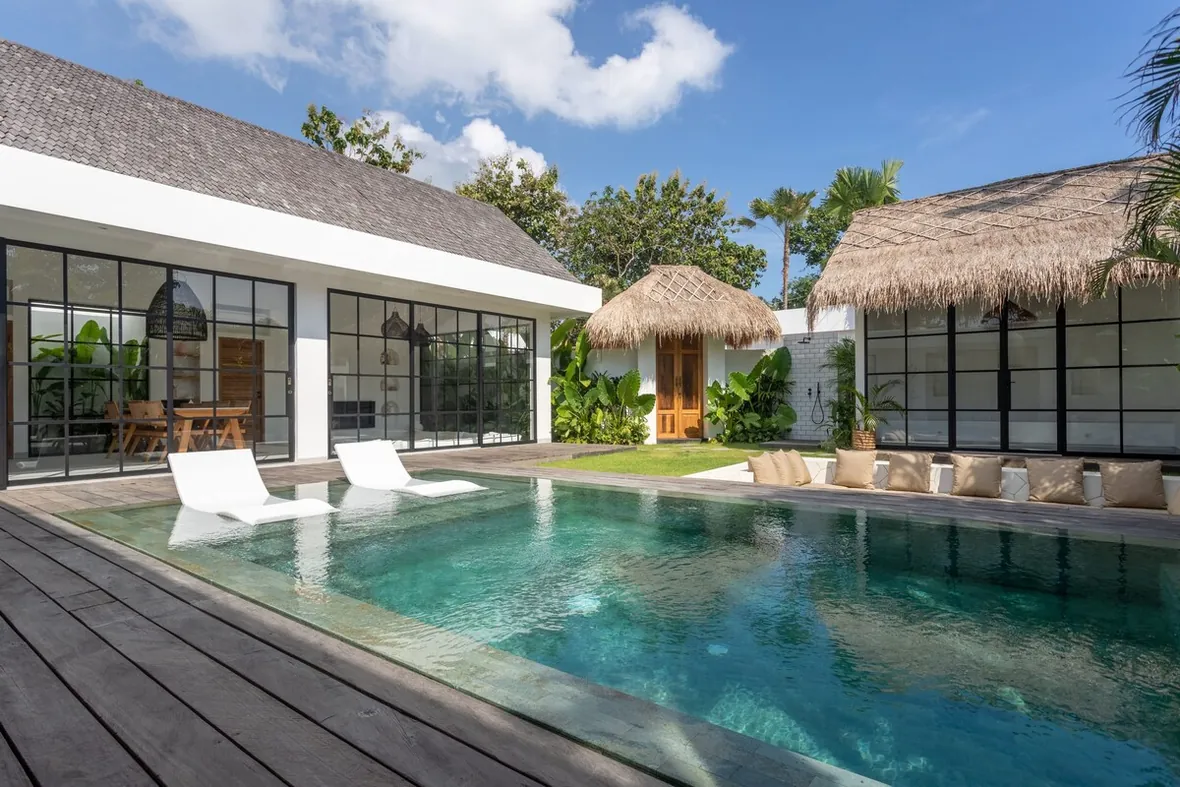 Pool view
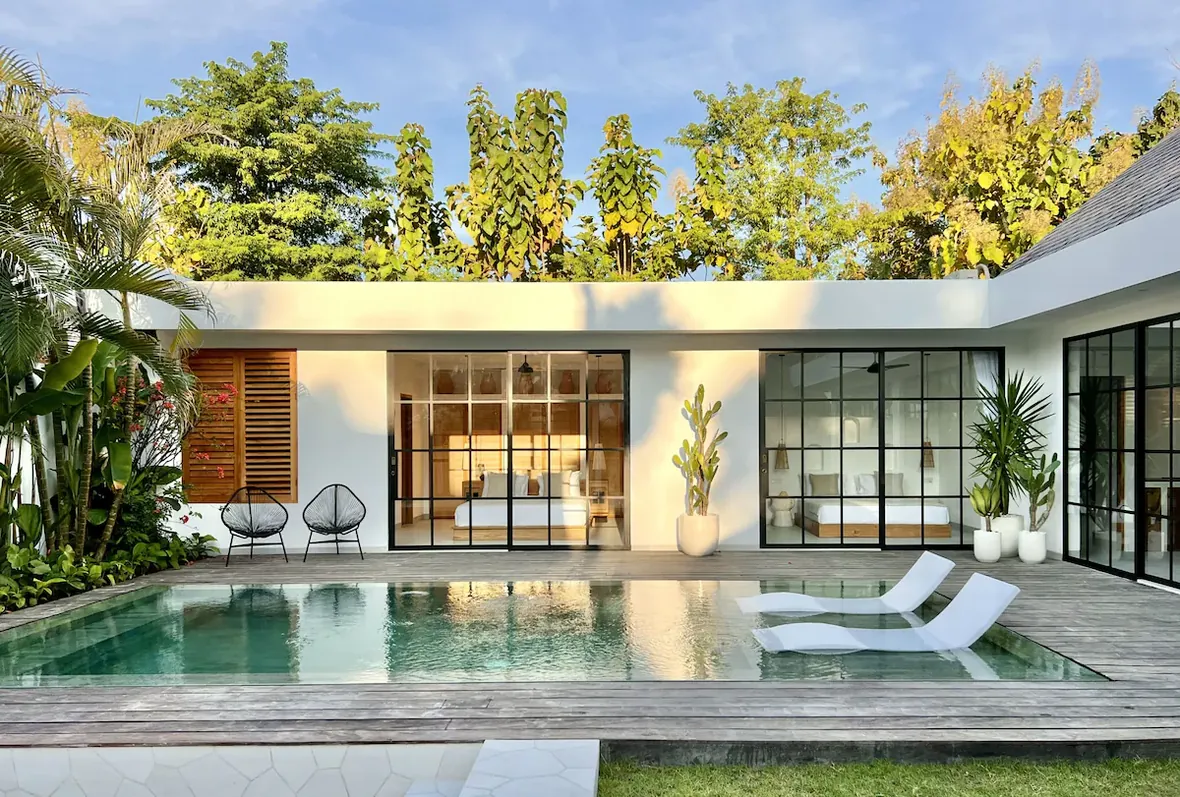 Pool area
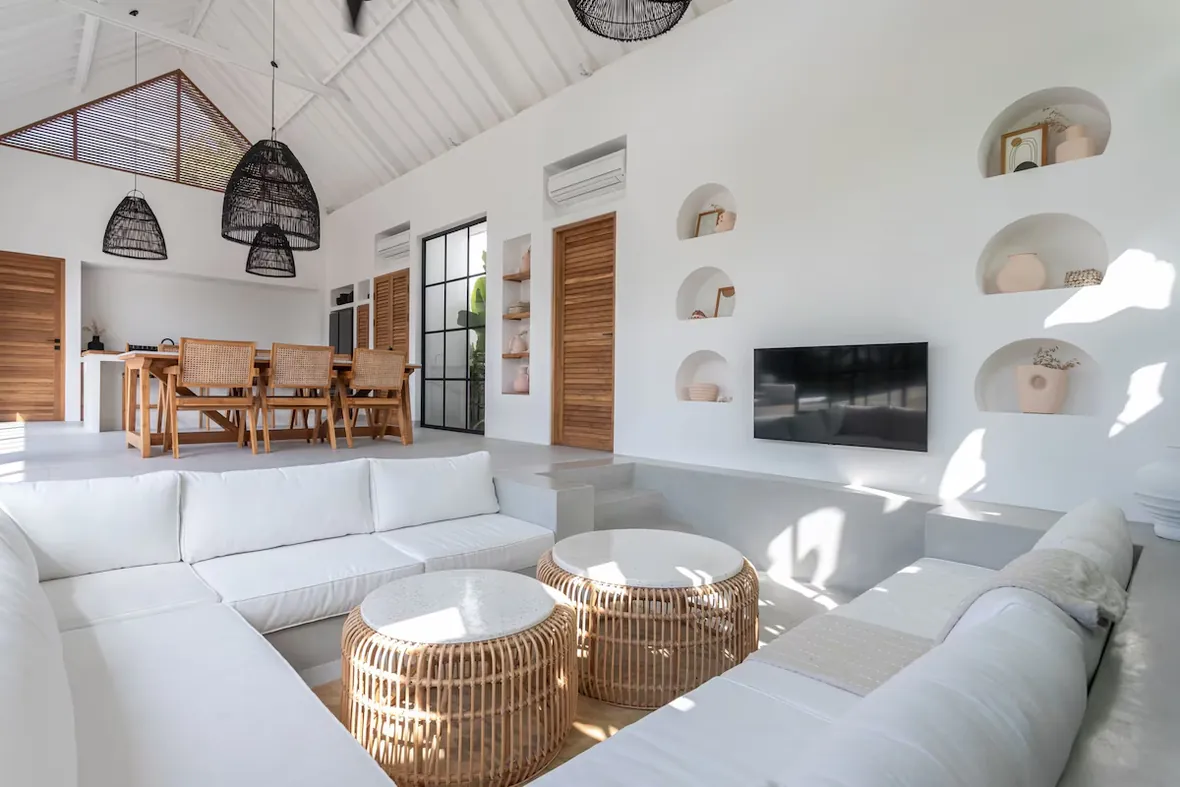 Interior
Ubud · 3BR · still under construction
Happiness
The property is still under construction, so 11.8% ($380k → $45k/year) is the lower, conservative bound: on a completed and occupied property the figure usually rises. Even at the construction stage the model delivers a yield above the weak Canggu apartments — thanks to the Ubud wellness location and the 3BR format.
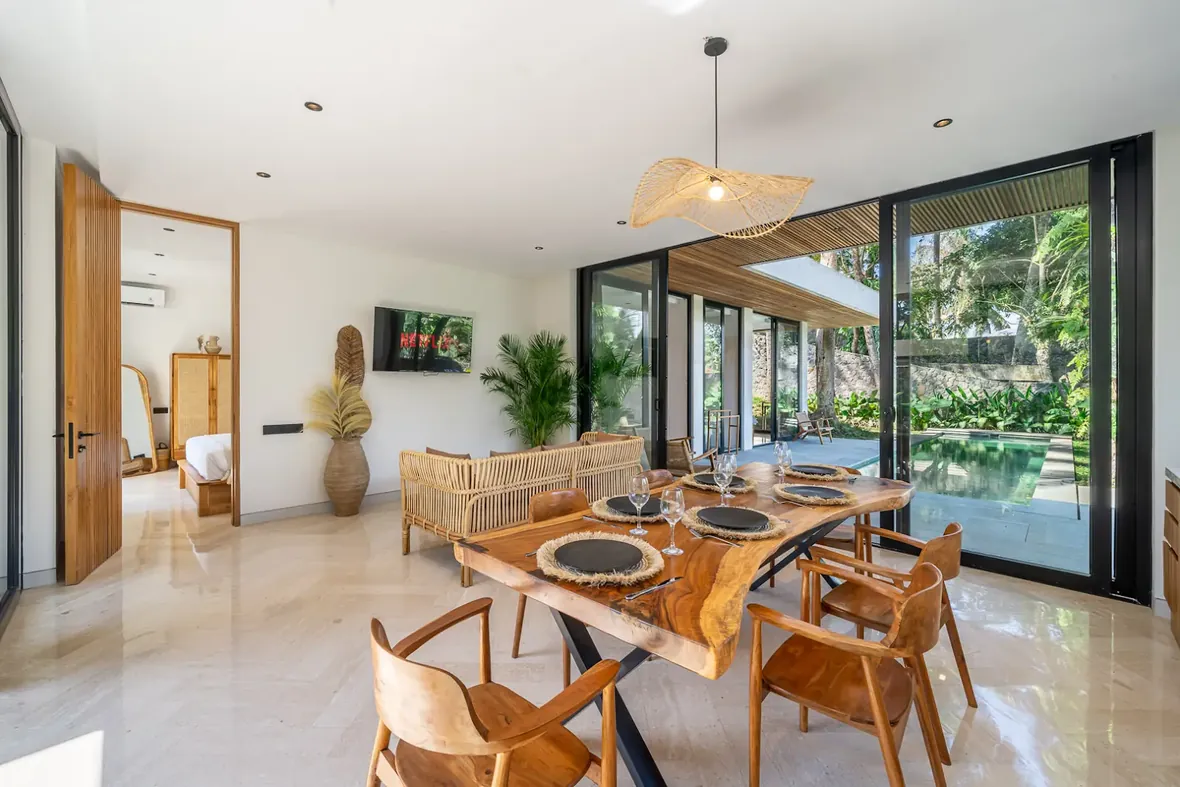 Villa interior
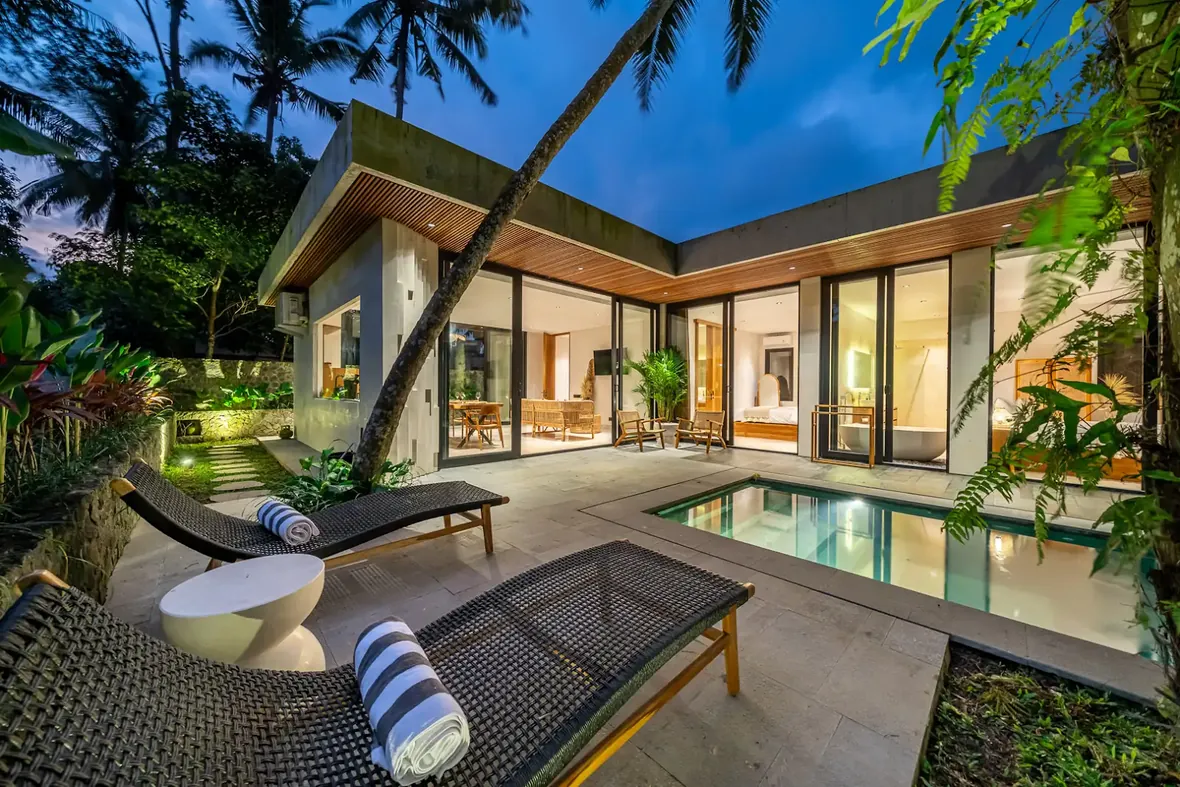 Pool amid the jungle
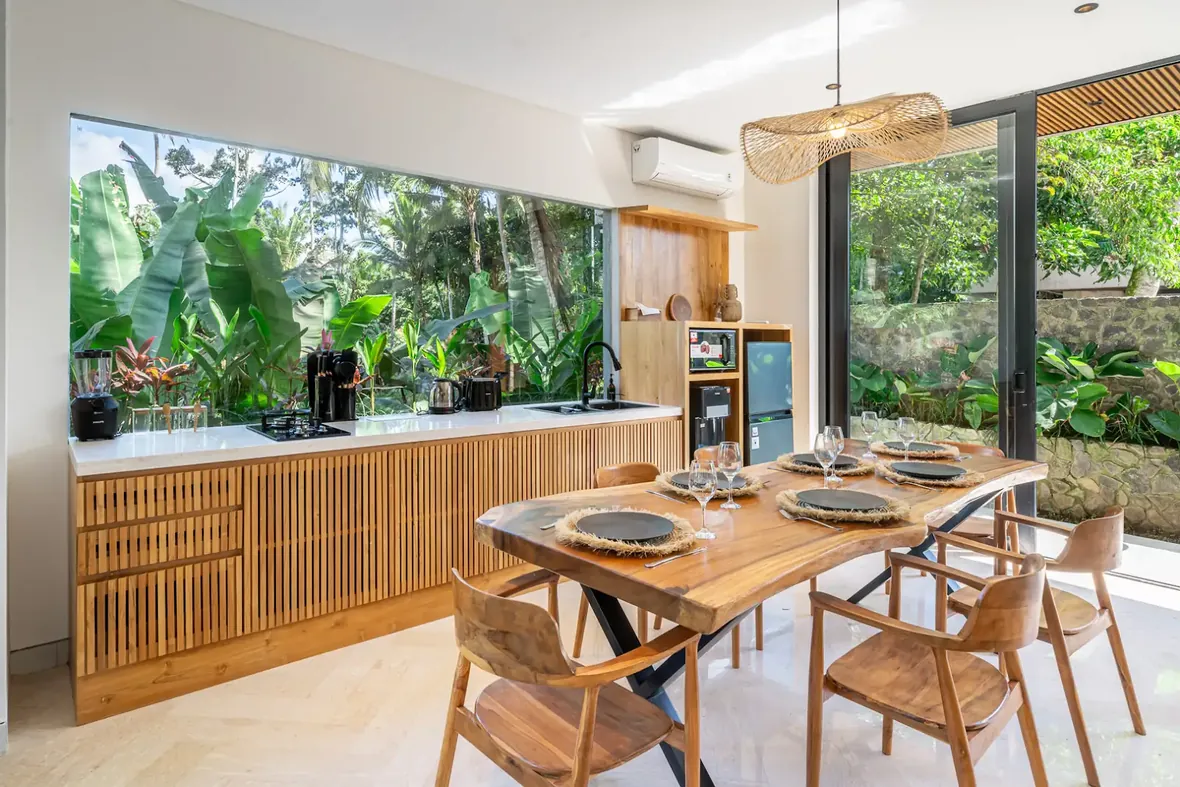 Kitchen overlooking the jungle
A high yield comes not from the developer's brand, but from the property's characteristics: location, view, concept and entry price.
A special case · experience villa
House of Wings: how the entry price splits one cash flow in two
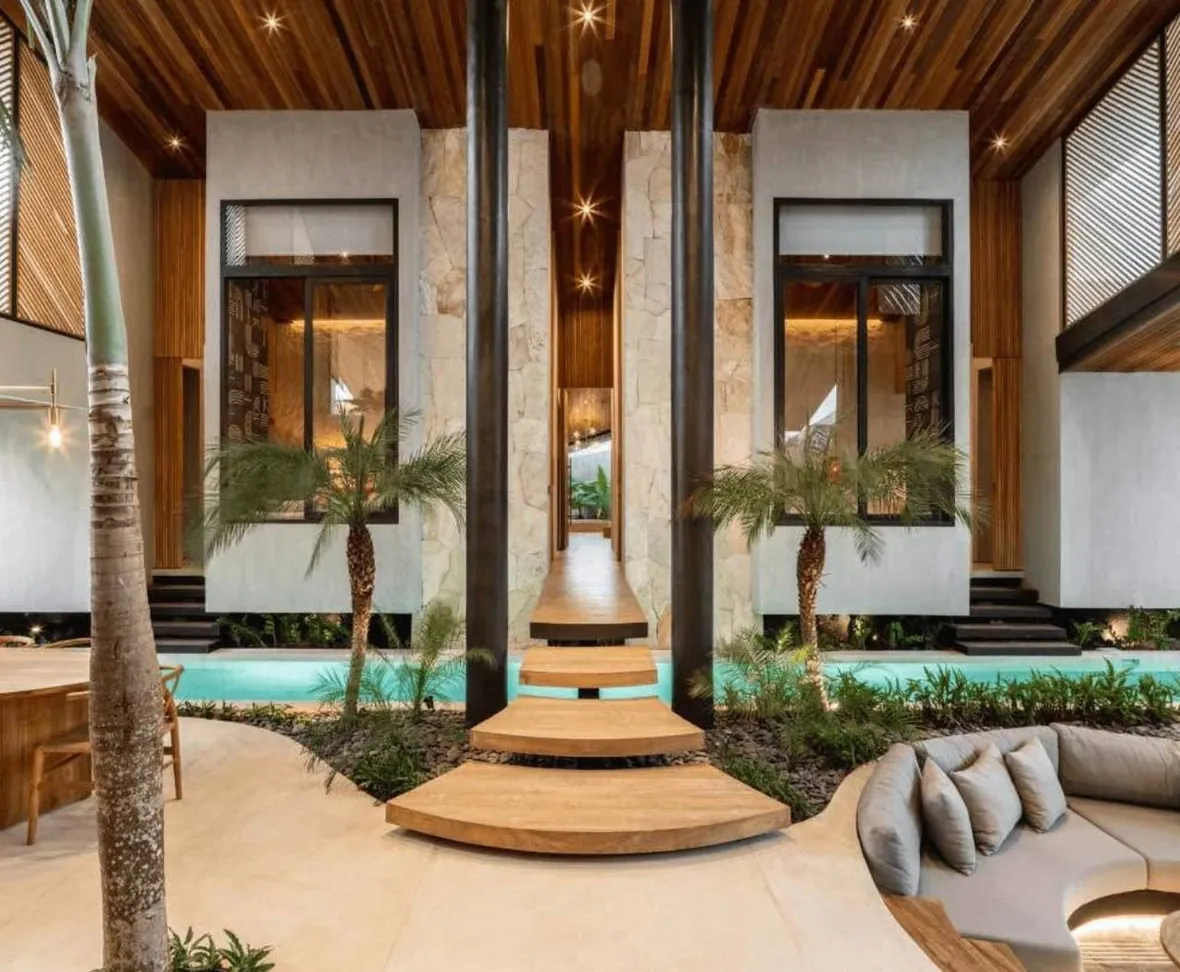
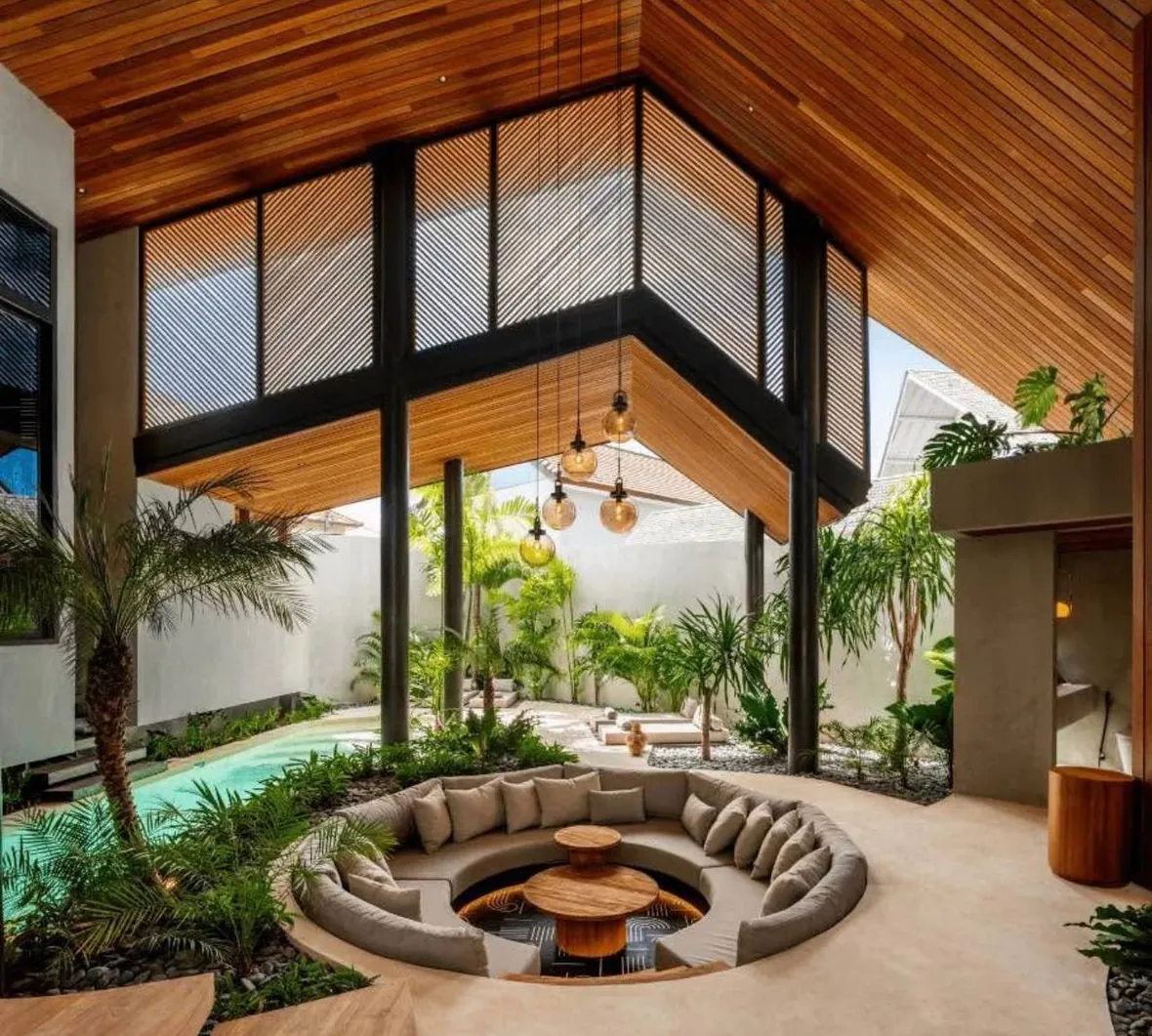
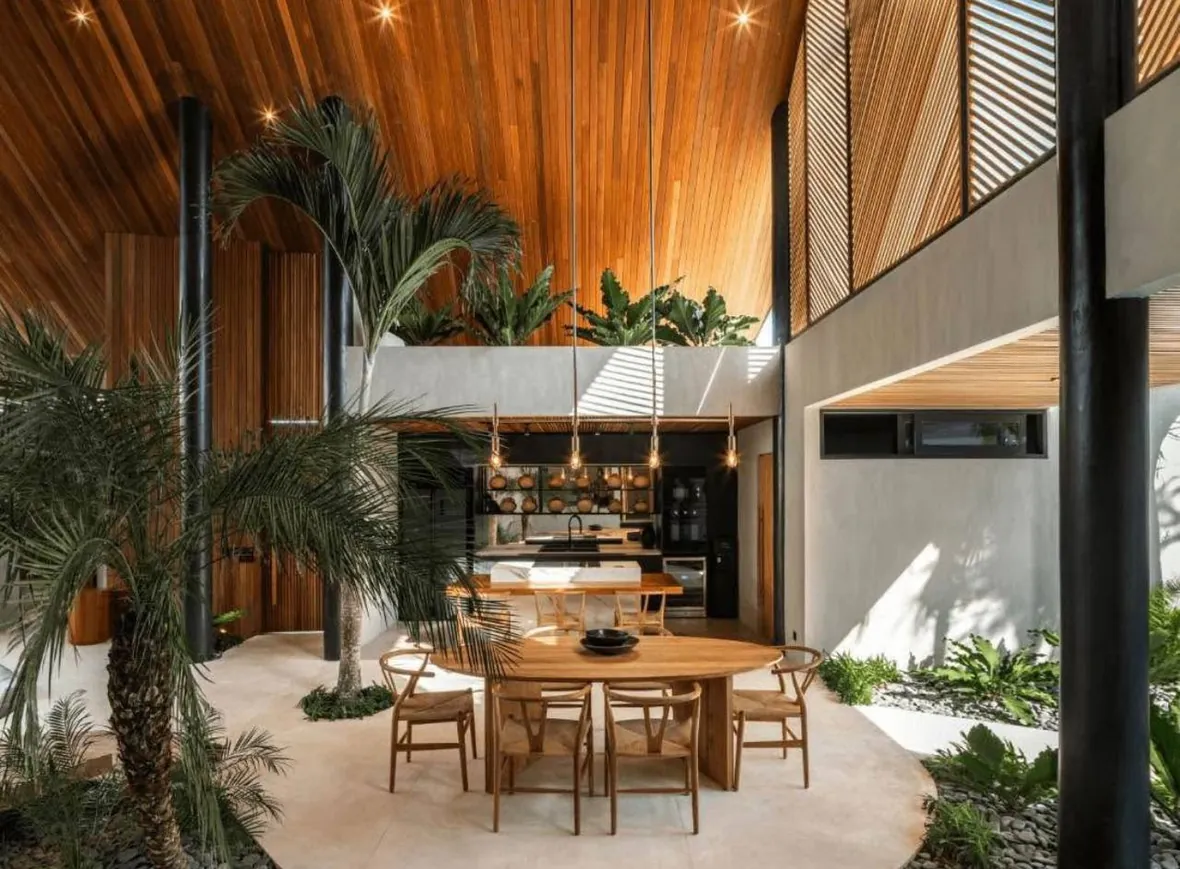
An exclusive view property with signature architecture — an example of how uniqueness, not the district, defines the economics. A guest pays a premium for that "experience," and the villa brings in $122,000 of rent a year.
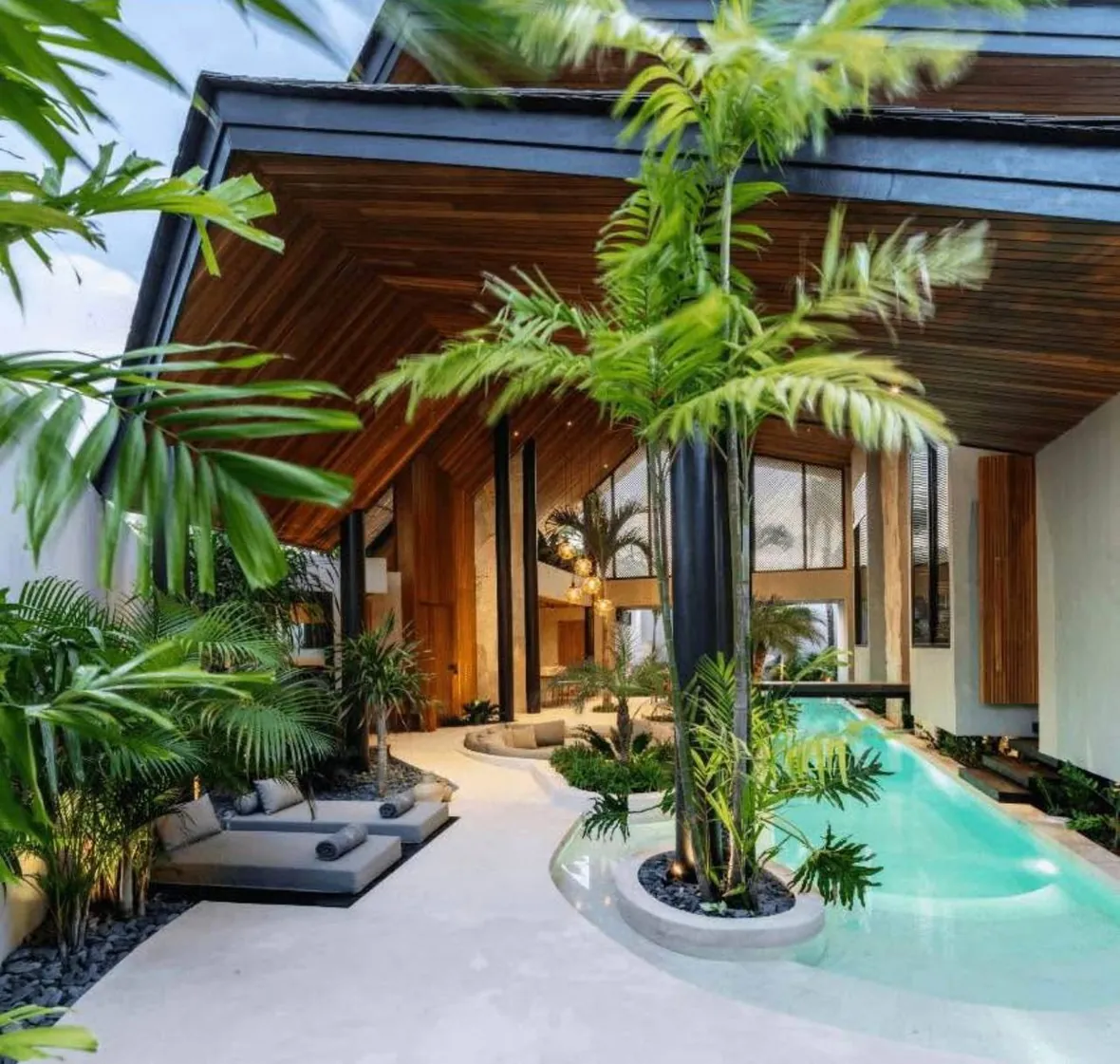 House of Wings · signature architecture
 Interior
 Interior
 Interior
The property cost $700–800k to build and brings in $122,000 a year: for its creator that's 15.3–17.4% on invested capital. It's now being resold for $1,100,000 — and for the new buyer the same rent already gives just 11.1%.
The cash flow is one and the same — yet the yield differs: everything is decided by the price at which you enter the property. It's the same logic as in the negative cases, only with the opposite sign: uniqueness drives high rent, but overpaying on entry still cuts the yield.
How to choose a property
Analyze the property, not the developer
Yield is determined by the property's characteristics and the entry price, not by the developer's name. The same developer can be selling a strong and a weak property at the same time — as with Alex Complex 3 and Complex 5 above. So when choosing, you look not at reputation, but at three things.
Real yield, not the claimed one
The figures of comparable operating properties of the same class — from management-company reports, not from a presentation.
Market averages
Occupancy and ADR for this type and location — to gauge whether the claimed income is realistic.
Ownership structure
Freehold or leasehold and for how long — this directly affects the "true" yield.
The developer's name is a weak predictor of yield. The strong predictor is the specific property's characteristics, checked against the market averages.
What's on sale now
What not to fall for in the marketing right now
Today there are once again plenty of developers with sky-high promises. Beyond the inflated yield (as in the cases above), two tricks are especially loud right now — both convincing in words, but not backed by real numbers.
It goes like this: "next to the Kempinski (or another five-star hotel) in Nusa Dua, and brands like that don't pick a bad location." Nice logic, but it has nothing to do with the yield of the specific property. By our analytics, it's almost impossible for apartments to compete with five-star hotels — all the more so since such projects usually aren't on the beachfront and have nowhere near comparable infrastructure, let alone the brand. Being next to a luxury hotel is a line in a presentation, not a confirmed rental rate.
It goes like this: "an international hotel brand has been brought in to manage it." In reality it's most often just a franchise: it raises the management costs, but the complex itself keeps operating at the market-average apartment prices. As a rule, the brand adds nothing to the rental rate — the same picture holds across other Asian markets too. In essence, you pay for the signage, and the yield stays average.
The bottom line
The bottom line: where to buy in, and where to steer clear
On Bali there are plenty of segments where you can earn a real yield of 12–15% in hand — you can see it in the properties above: view and wellness villas in Ubud, proven rental locations of the south like Bingin, and select experience villas. It's not about one "magic" district, but about picking a property with confirmed rent and a reasonable entry price.
The main rule is simple: don't listen to marketing claims and unsubstantiated developer promises — neither the sky-high percentages from a presentation, nor the proximity to a luxury hotel, nor the management by a famous brand — but look at the real analytics for confirmed properties. The same income gives 8.3% or 12.5% depending on the entry price; the same property gives 17% to its creator and 11% to a buyer at an inflated price. Three things decide it: the real yield of comparable properties, the segment-average occupancy and ADR, and the ownership structure.
The Bali market has stopped forgiving overpayment — but for someone who selects properties by the actual figures, there are even more opportunities. We keep data on 30,000+ properties for exactly this. If you'd like, we'll send a shortlist based on the real numbers for your budget and horizon.
FAQ
Frequently asked questions
Short answers to the questions we're asked most — with figures from the property reports.
What is the real yield on Bali property?
Why do developers promise 15–18% but you get less?
What's better for income — an apartment or a villa on Bali?
Does leasehold affect property yield on Bali?
Can you trust the yield figures on a developer's site?
We'll find you properties with real yield
BDA analyzes the market using its proprietary base of 30,000+ properties and sends a shortlist based on actual figures from reports, not on developer marketing.
Get in touch with BDA