Bali Real Estate Investment 2026: Market and Yield

Analytics · BDA · Bali short-term rental market

Why the Bali market has stopped forgiving investors' mistakes

In short Bali's market hasn't stalled: in 2025 short-term rental turnover grew 31.4% — from $602 to $792M — and the number of active listings rose 35.9% — from 16 161 to 21 961. But supply is growing faster than turnover, and that's the key shift: there is no longer a single "average island-wide ROI." Yield is now defined by concept, architecture, management and micro-location — not by the mere fact of buying a villa in a popular district.
DTDmitrii Totoev, founder of BDA Updated 9 June 2026

A few years ago, making money on Bali real estate wasn't hard. The market was growing fast: tourist traffic was rising, supply couldn't keep up with demand, and new properties found their guests right away. Often it was enough for an investor to pick a popular location, build a villa and bring it to market. Today that's no longer enough.

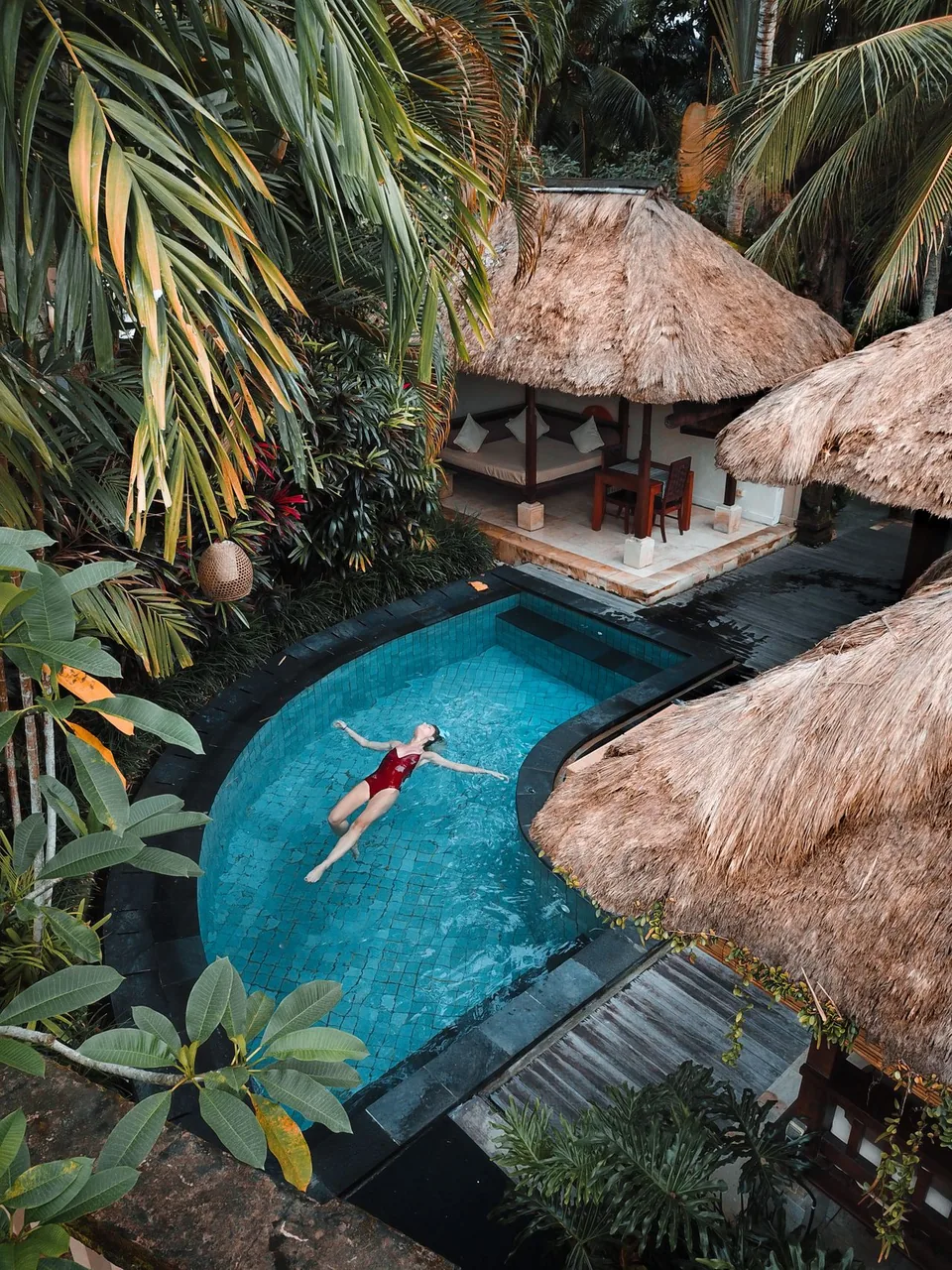
A villa with a pool amid tropical greenery, Bali
A villa with a pool, Bali

Market scale · 2024 → 2025

The market is growing in both money and volume — but supply is outpacing turnover

$792M
short-term rental market turnover in 2025 (up from $602M)
+31,4% year on year
21 961
active listings across the island (up from 16 161)
+35,9% year on year
+30%
growth in the actual number of occupied properties — demand is real
demand is rising

The main mistake

Why the "average Bali ROI" no longer means anything

Island-wide averages barely exist — and this is the main mistake in valuing properties. Most investors still see Bali as a single market and ask questions like "what's the ROI on Bali right now?", "what's the average occupancy?", "what's the yield on villas?".

The problem is that the spread between two properties can be enormous, even within the same district. Two villas of identical size can show completely different occupancy, a different ADR and a different net profit.

The reason is simple: the market has become far more sensitive to product quality. An island-wide average hides precisely the difference on which an investor bases their decision.

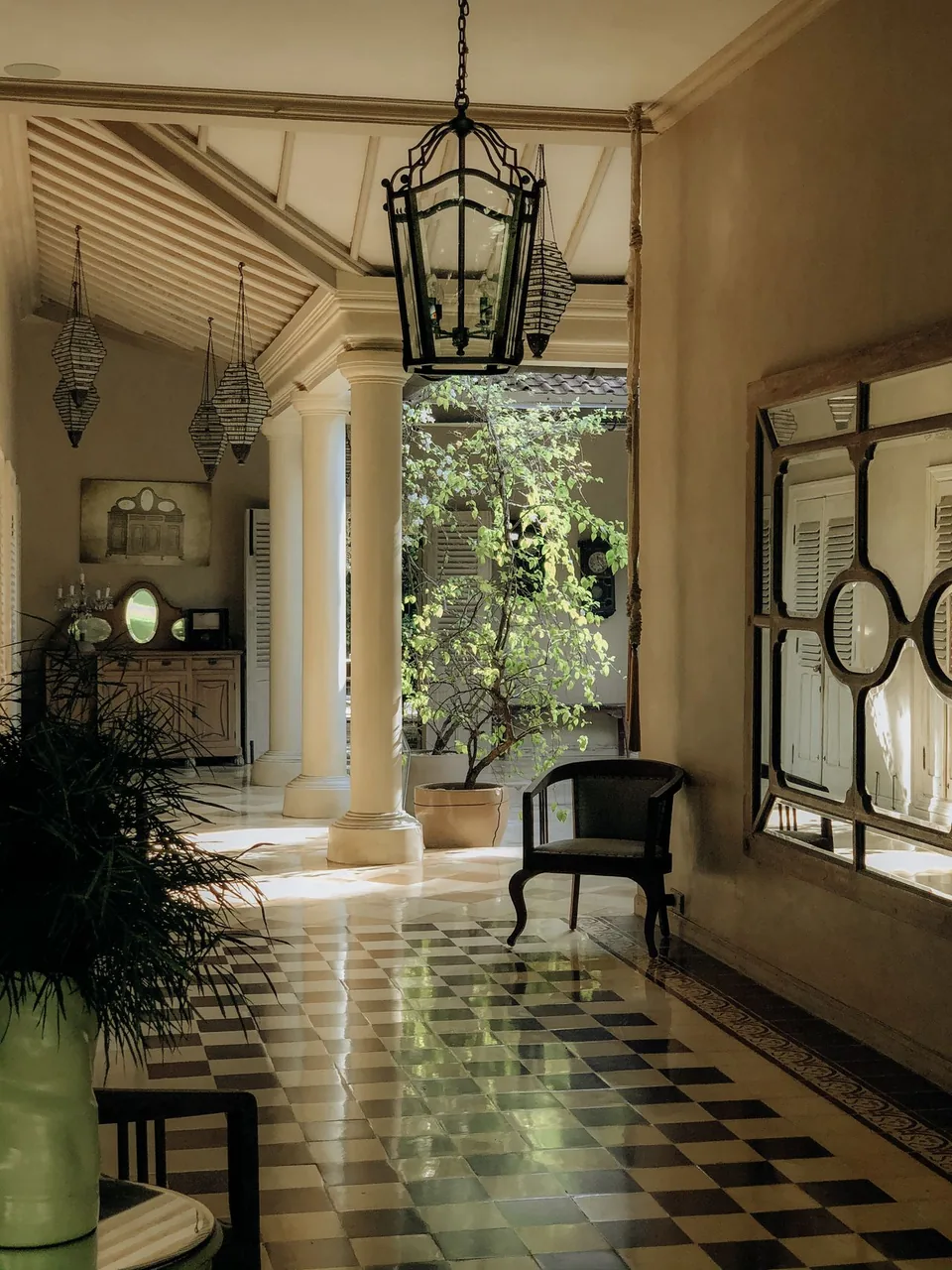
Interior of a villa in Bali — product quality determines yield
Product quality determines the outcome

Competition

Does market growth guarantee success for the investor?

No — market growth no longer guarantees the yield of an individual property, because supply is growing faster than turnover. According to the BDA analytical report "Bali Short-Term Rental Market 2024–2025," over the year turnover grew 31.4% (to $792M) and the number of listings rose 35.9% (to 21 961). When supply outpaces money, competition for the guest intensifies and the average yield per property falls. Yet the demand is real, not just on paper: the actual number of occupied properties grew by more than 30%. Tourist traffic keeps absorbing new villas — but no longer distributes them evenly.

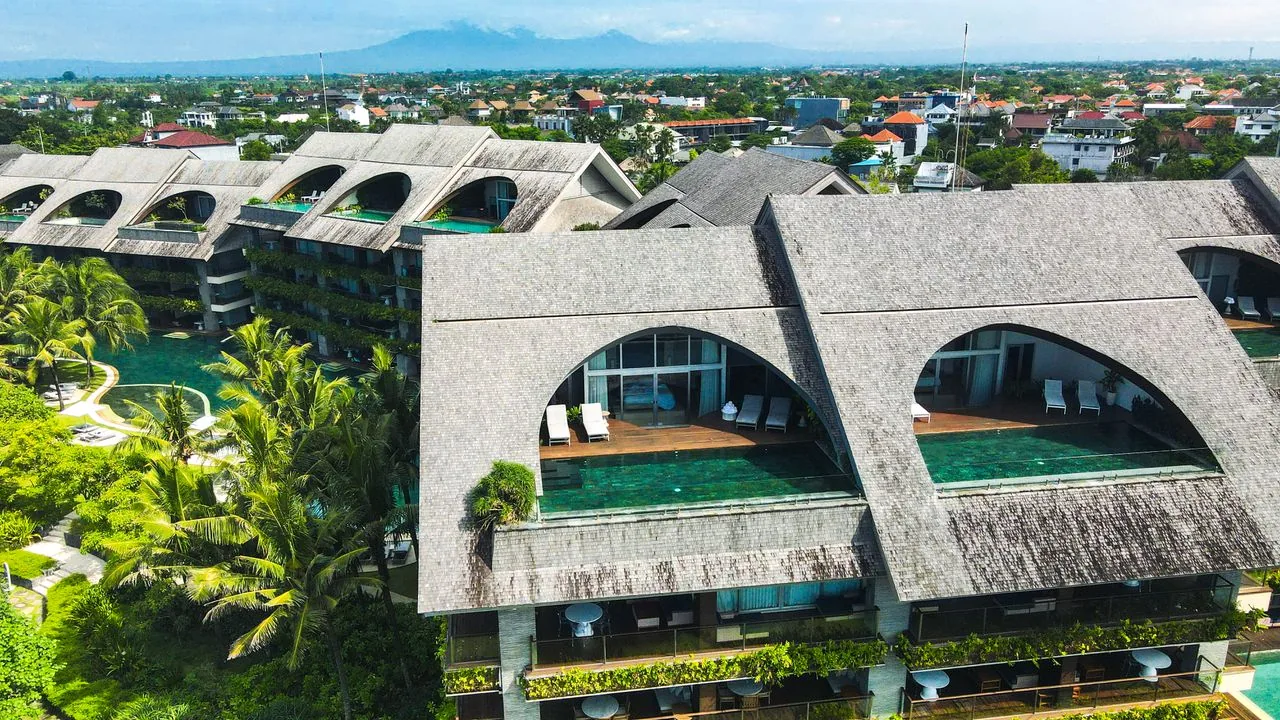
Dozens of identical pool villas in Bali, aerial view — growing supply and competition
Hundreds of similar properties intensify competition for guests
Supply is growing faster than turnover
Growth for 2024 → 2025
+35,9%
Supply
(listings)
+31,4%
Market
turnover
+30%
Occupied
properties

A few years ago most new properties automatically received their share of demand. Today the tourist can choose — and has started choosing far more selectively. A share of demand now has to be earned through the product.

A large volume of new projects in various formats is coming to market:

Villas
Apartments
Townhouses
Hotel complexes
Branded residences

What affects yield

What really affects a villa's yield in Bali

The outcome is shaped not only by location but by at least three factors investors underestimate: concept, architecture and management.

Factor 1

Concept

An ordinary villa turns into a commodity. When hundreds of similar properties appear on the market, the only way left to compete is price — and competing on price destroys yield.

Factor 2

Architecture

The modern tourist increasingly chooses not just a place to sleep but an experience. Properties with strong visual appeal show higher rental performance even amid growing competition.

Factor 3

Management

Professional management today can change a property's financial result more than the difference between two neighbouring locations.

A clear example: average occupancy across Ubud in 2025 was 63.9%, whereas BDA's own sample of 59 well-managed eco-villas shows occupancy of around 79% at an ADR of $348 (sample period July–September 2025, source AirDNA). The gap of almost 15 points between the district average and a well-managed product is exactly the price of management quality.

Occupancy: district vs managed product
Ubud, 2025 · source AirDNA / BDA
Ubud average63,9%
59 managed eco-villas≈79%
The "headline" number trap
Bukit cliff segment · BDA sample, January 2026
ADR per night
up to $5 300
high rate
Occupancy
20–50%
low occupancy

And one more "headline" number trap. In Bukit's premium cliff segment (benchmarks — The Surga Villa Estate, Pandawa Cliff Estate, the Elite Havens portfolio) the nightly rate reaches $5 300, but occupancy at many properties stays in the 20–50% range (BDA sample, January 2026). A high ADR here doesn't mean high realised income: it's occupancy that determines it, not the headline rate.

Geography

Why Bukit, Canggu and Ubud are different markets, not one island

Each key district of Bali follows its own model, so comparing them as identical products is a mistake. Three districts (Canggu 21.6%, Bukit 16.4%, Ubud 13.8%) account for about 52% of the island's entire supply, but their 2024→2025 dynamics are fundamentally different.

DistrictSupply growthOccupancy changeGrowth in occupied propertiesTurnover growth2025 turnover
Bukit+54.9%−4.9 pp (→59.7%)+45.0%+51.8%$140.6M
Canggu+32.4%−4.5 pp (→61.8%)+23.9%+33.9%$194.6M
Ubud+39.6%−7.0 pp (→63.9%)+24.3%+29.9%$86.3M

Source: BDA analytical report "Bali Short-Term Rental Market 2024–2025."

Bukit shows the most pronounced dynamics on the island: turnover grew 51.8% (from $92.6 to $140.6M) with a moderate occupancy decline of just 4.9 pp. Demand absorbs new properties, but Bukit is not a single market — it's several locations, each with its own logic. An investor's result is determined not by the district but by the precision of choosing a micro-location within it.

2025 turnover$140.6M
Bukit — a separate breakdown

Canggu is the island's largest and most predictable market: $194.6M in turnover (+33.9%) with a stable occupancy of 61.8%. But it's precisely this maturity that's the main constraint: the entry price (land and completed properties) has risen sharply. For a new investor this is a market of stable cash flow, but not of capital growth.

2025 turnover$194.6M
Canggu — a separate breakdown

Ubud follows a different logic: demand forms around wellness, retreats and a unique experience, and barely overlaps with the coastal audience. Occupancy fell the most of all (−7.0 pp, to 63.9%), but turnover still grew 29.9% (to $86.3M). The data on experiential villas confirms it: conceptual properties that evoke an emotional response sometimes deliver stronger value appreciation than even ocean-view villas.

2025 turnover$86.3M
Ubud — a separate breakdown

So the right question today isn't "which district to invest in" but "what product to create in a specific location."

Market maturity

Is market maturity a bad sign for the investor?

On the contrary, it's a good sign: a moderate occupancy correction alongside turnover growth is a natural stage in the market's transition to a healthier and more predictable model. An occupancy drop of 4.5–7.0 pp with supply growth of 32–55% means demand keeps absorbing new properties, not that the market is oversaturated.

Analytics, product, concept, management and audience understanding come to the fore. Accidental successes are becoming rarer.

But for those who know how to analyse the market and create a quality product, opportunities become even greater. A mature market rewards competence, not timely entry.

Conclusion

What this means for the investor today

Buying real estate in Bali still makes sense — but by different rules. It's no longer enough to simply buy land in a popular district and build a property.

The market no longer rewards the mere fact of presence. It rewards the right decisions.

The key factor becomes not the choice of island, or even the choice of district, but the depth of understanding of a specific location, its demand and its product. In our view, this will be exactly what sets successful Bali investors apart in the coming years.

An infinity pool with an ocean view, Bali — the experience of staying
The experience of a stay sells better than location

FAQ

Frequently asked questions

Short answers to the questions investors ask most often — with figures from the report.

How much did Bali's short-term rental market grow in 2025?
Turnover grew 31.4% — from $602 to $792M. The number of active listings rose 35.9% (from 16 161 to 21 961), and the actual number of occupied properties by more than 30%.
Why doesn't market growth guarantee yield for the investor?
Because supply grows faster than turnover: +35.9% in listings against +31.4% in revenue for 2024–2025. This intensifies competition and lowers the average yield per property — only projects that are strong in concept and management win.
Which Bali district is more profitable — Bukit, Canggu or Ubud?
They're different markets. Bukit has the fastest turnover growth (+51.8%), but the result depends on the micro-location. Canggu is the largest and most stable ($194.6M, 61.8% occupancy), but with a high entry price and no capital-growth potential. Ubud (+29.9%, $86.3M) is a separate wellness market with an investment window still open for product-driven projects.
Why is occupancy falling if demand is rising?
Because supply grows faster. In 2025 occupancy fell moderately (−4.5…−7.0 pp across districts) while the number of properties grew 32–55%, meaning demand keeps absorbing new villas. This is a sign of the market's maturity, not its saturation.
Why doesn't a cliff villa's high ADR mean high yield?
Realised income is determined by occupancy, not the nightly rate. In Bukit's premium cliff segment the ADR reaches $5 300, but occupancy is often 20–50% (BDA sample, January 2026), and the headline rate overstates the real yield.
What most strongly affects a property's yield in Bali?
Concept, architecture and professional management. The gap between the district's average occupancy (63.9% for Ubud) and a well-managed sample of villas (≈79%) shows that management changes the result more than the choice of a neighbouring location.
DT
Dmitrii Totoev

Founder of BDA (Bali Developers Accelerator). In real estate since 2012, $350M+ in deals across four markets (Russia, Dubai, Turkey, Bali), $50M+ in Bali. Yield calculations are built on a proprietary database of 30,000+ Bali properties (sources: AirDNA, management companies, direct owner reports). The methodology neither overstates yield nor understates risk.

Market data source: BDA analytical report "Bali Short-Term Rental Market 2024–2025."
Last updated: 9 June 2026

The market rewards the right decisions

BDA analyses the market using a proprietary database of 30,000+ properties and guides project launches in Bali — from location selection to product and sales.

Contact BDA