Knowledge base · BDA · Land ownership in Bali
Freehold or leasehold in Bali: how can a foreigner legally own land?
Three forms of ownership
What forms of land ownership exist in Bali?
Bali has three key forms of land ownership, and two of them are directly available to a foreign investor. Understanding the difference matters more than choosing a district: the form determines your ownership horizon, cost of entry and legal protection.
Full ownership
Perpetual freehold ownership of land. Only an Indonesian citizen can be the holder. For a foreigner it is not an available route, and any attempt to get around the ban through a nominee is legally void.
not directly availableA time-limited right
Directly available to a foreigner. This is not a rental but a protected right to own the plot and its structures for an agreed term — usually 25–30 years — with an extension available by default.
safe for a foreignerOwnership through a company
Available to a foreigner through an Indonesian company with foreign participation. The company obtains the right to build for 80 years, with further extension. A PT PMA is not a limitation but a structure for holding the right.
safe for a foreignerLeasehold · Hak Sewa
What is leasehold and why is it safe?
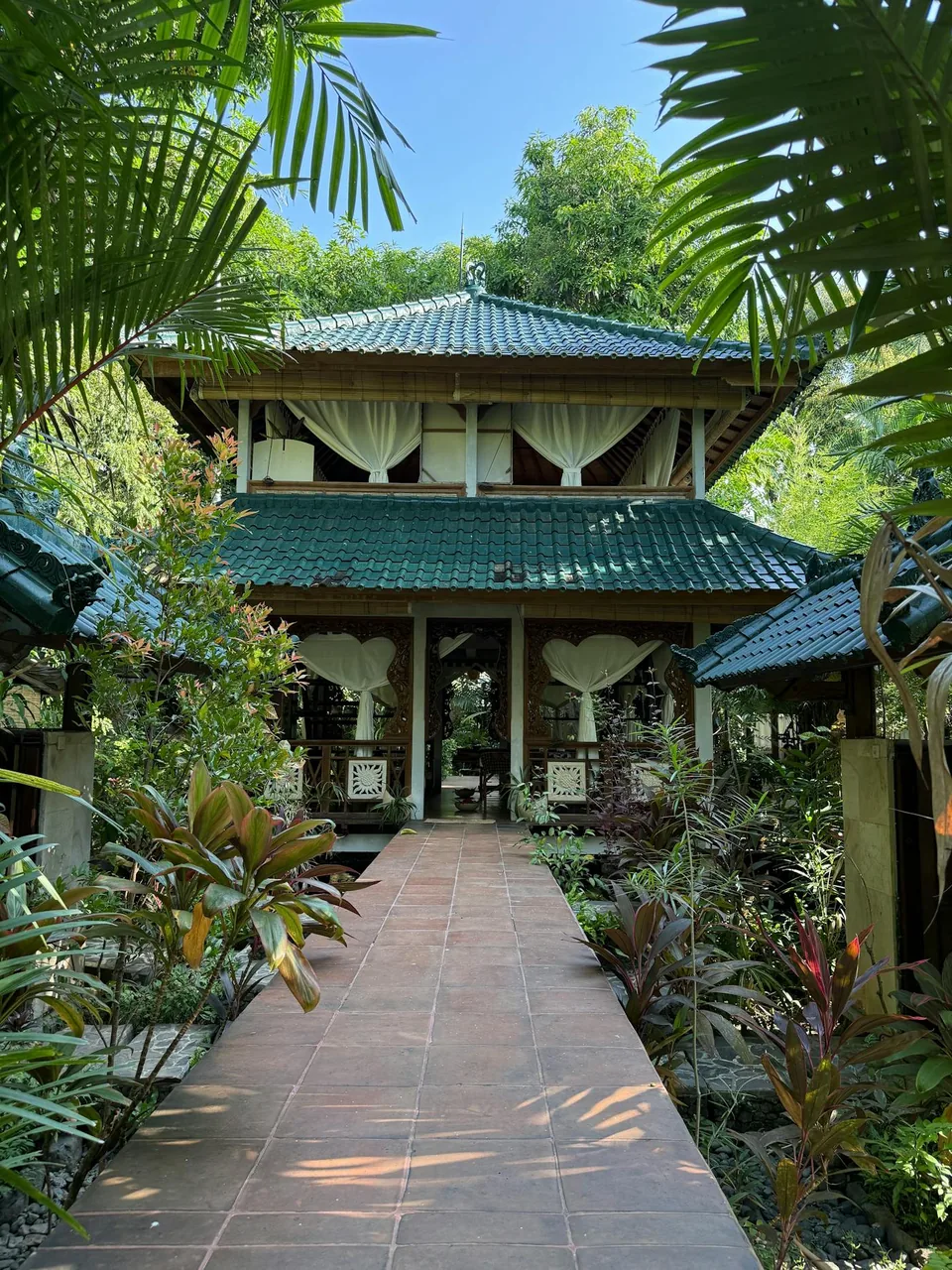
Leasehold (Hak Sewa) is not a long-term rental but time-limited ownership. The leasehold holder owns the plot and whatever is built on it for the term of the agreement, and controls that right: they can use it, rent it out, sell it and transfer it.
This is a safe form, well protected under Indonesian law. A leasehold agreement cannot be applied retroactively: the agreed terms cannot be changed or revoked unilaterally during the term. An extension is available to the holder by default, and the plot returns to the landowner only in one case — if the leasehold holder chooses not to extend.
Leasehold also has a practical advantage for entry: it costs less than freehold and noticeably lowers the up-front investment required. That is why it is the most common way for a foreign investor to enter the Bali market — especially for a one-off purchase of a property or a home for personal use.
Extension
How does a leasehold extension work and at what price?
An extension is available to the holder by default, and its price is set not "by agreement at the end" but through an established market-valuation procedure. Locking in a price 30 years ahead is almost never achievable in practice, so an extension is most often priced at the land's market value at the time of extension.
Important: at extension, only the land itself is valued, not what is built on it. Buildings and improvements remain the leasehold holder's asset and are not included in the extension price — this fundamentally lowers the extension cost for someone who has invested in construction.
Freehold · PT PMA / HGB
What is freehold via a PT PMA and the HGB right?
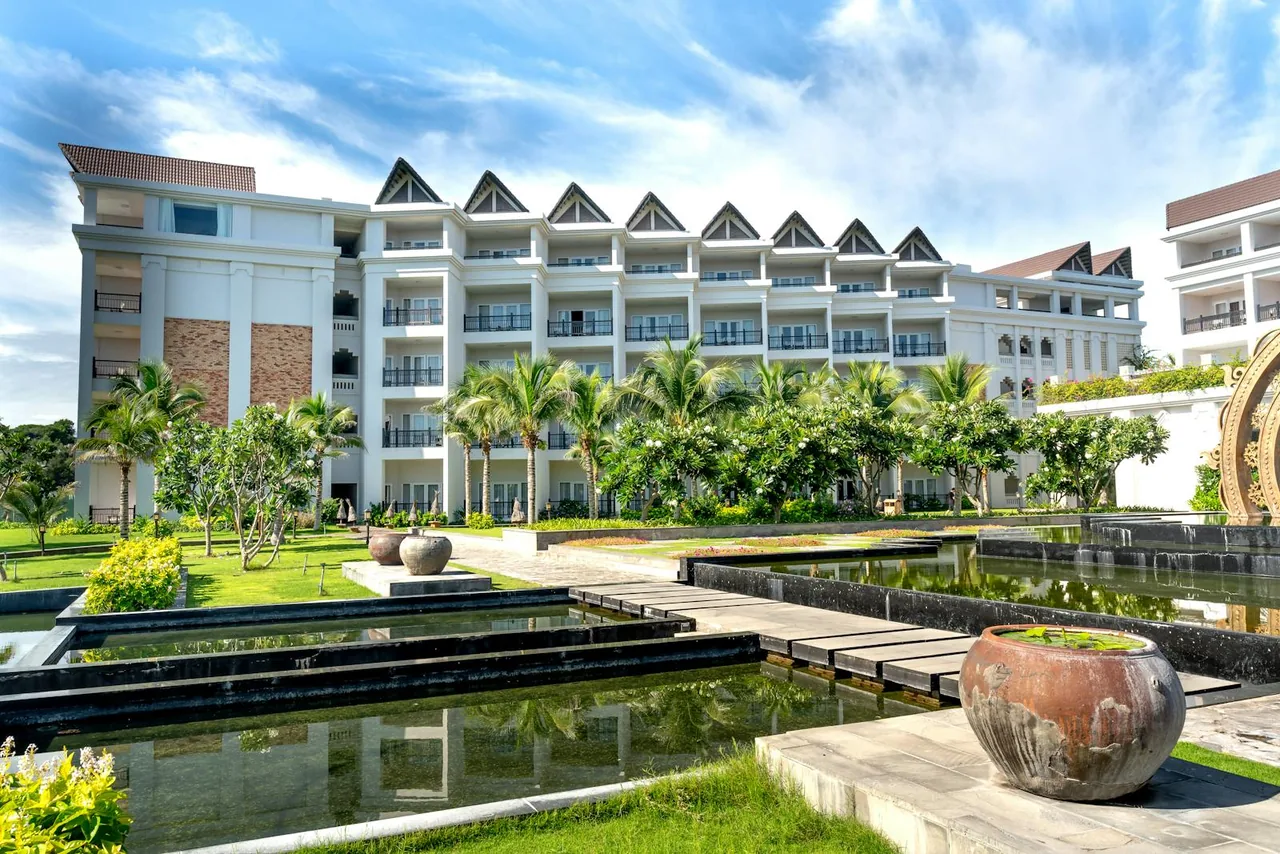
For a foreigner, freehold is set up through an Indonesian company with foreign participation — a PT PMA, which obtains the Hak Guna Bangunan (HGB) right to build. This is the primary instrument for development and commercial leasing, giving the longest ownership horizon available to a foreigner.
HGB is granted upfront with three standard extensions — 30 + 20 + 30 years, i.e. a horizon of around 80 years. Crucially, these extensions are processed with the state and cost only the government registration fees — this is not a repeat purchase of the plot. After 80 years, further extension is also possible, but there have been no real cases yet: the practice was introduced relatively recently.
This form suits investors who build to sell or run a rental business, rather than simply buying a house for themselves. A PT PMA also has costs: minimum-capital requirements, reporting and taxes. So freehold via a company is justified when the scale of the project covers them; for a one-off purchase of a single property, leasehold is more often chosen.
Risk
Why is a nominee ownership scheme dangerous?
A nominee scheme means registering Hak Milik land in the name of an Indonesian citizen who is formally the owner on paper, while a foreigner actually controls the land. It is a common but legally void arrangement, and there is no need to resort to it: a foreigner has two lawful forms of ownership.
The risk is not theoretical: Article 26(2) of UUPA No. 5/1960 makes the transfer of Hak Milik to a foreigner (including indirectly) void, and the accompanying agreements (loan, power of attorney, options) may be deemed sham in a dispute. The foreigner then risks losing both the land and the money invested. BDA's conclusion is blunt: a nominee is not a "cheap freehold" but an unsecured risk.
Comparison
Forms of land ownership in Bali: summary table
| Right | Who can hold it | Ownership horizon | For whom | Status for a foreigner |
|---|---|---|---|---|
| Hak Milik (full ownership) | Indonesian citizens | perpetual | — | not directly available |
| Leasehold (Hak Sewa) | foreigners directly | 25–30 years + extension by default | one-off purchase, housing, smaller budget | ✓ safe |
| Freehold via PT PMA (HGB) | foreigners through a company | 30+20+30 ≈ 80 years + beyond | development, rental business, scale | ✓ safe |
| Nominee | — | — | — | ✗ void (Art. 26 UUPA) |
Source: Indonesia's Basic Agrarian Law UUPA No. 5/1960 and its implementing regulations. Not legal advice.
The investor's choice
Leasehold or freehold via PT PMA: which to choose?
The choice is driven by the goal and scale of the project, not by "reliability" — both forms are lawful and protected. Below is the practical logic to guide it.
Due diligence
What legal risks should you check before a deal?
The main thing to check before a deal in Bali is the plot's status and designated use, not its price. A deal can look attractive and still be unworkable until the legal questions are closed.
Zoning and permits
The land's designated use (residential, agricultural, "green zone") and the building permits (PBG) determine what and how much can be built. Buying a plot in an unsuitable zone nullifies the development scenario.
Title cleanliness
Before a deal you need a check of the plot's history, encumbrances and boundaries via a notary/PPAT. An unconfirmed title is a common reason a deal collapses at the due-diligence stage.
The leasehold agreement and extension
The right to extend and the market-valuation procedure must be reflected in the agreement, so that the extension remains a guarantee rather than the subject of a future dispute with the landowner.
PT PMA structure
For freehold — compliance with capital and business-activity requirements and the correct registration of HGB on the plot. An error in the company structure calls the very right to build into question.
FAQ
Frequently asked questions
Short answers to the questions investors most often ask about land ownership in Bali.
Can a foreigner legally own land in Bali?
Is a leasehold in Bali the same as a rental?
How is a leasehold extended and at what price?
What is HGB and for how many years is it granted?
Is a nominee ownership scheme safe?
What should you check before a land deal in Bali?
Choose the ownership form that fits your goal
BDA structures the deal through licensed lawyers and notaries, analyzes the market using its proprietary database of 30,000+ properties and supports the launch of projects in Bali — from location selection to product and sales.
Contact BDA